
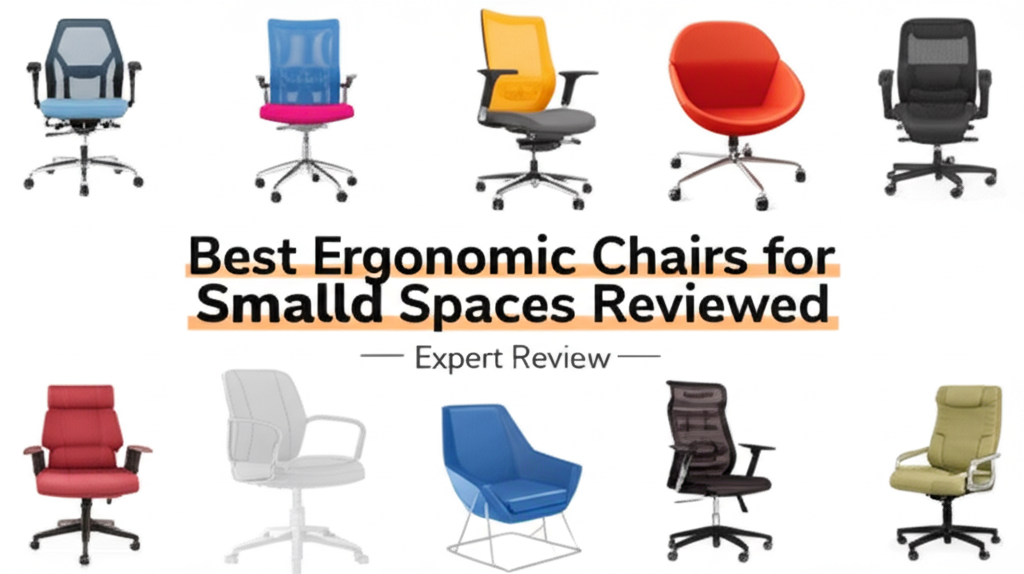
# Best Ergonomic Chairs for Small Spaces – Expert Review
Working from home or setting up a productive workspace in a compact apartment doesn’t mean you have to sacrifice comfort for square footage. The challenge of finding an ergonomic chair that fits small spaces while still providing proper lumbar support, adjustability, and long-term comfort is one that millions of remote workers, students, and apartment dwellers face daily. The good news? Furniture manufacturers have recognized this growing need and developed innovative solutions that pack full-sized ergonomic features into space-saving designs.
Traditional office chairs often dominate a room with their bulky frames and wide bases, making them impractical for cozy home offices, studio apartments, or multifunctional living spaces. However, compact ergonomic chairs have evolved significantly, offering sophisticated features like adjustable armrests, breathable mesh backs, and customizable seat heights—all while maintaining a smaller footprint that won’t overwhelm your limited space. The key is knowing which models truly deliver on their ergonomic promises without compromising your comfort during those long work sessions.
In this comprehensive review, we’ve tested and evaluated the top ergonomic chairs specifically designed for limited spaces, analyzing everything from their dimensions and weight capacity to their adjustability features and overall comfort level. Whether you’re working with a narrow corner nook, a small bedroom office, or a compact studio setup, this guide will help you discover the perfect ergonomic seating solution that supports your body while respecting your space constraints. Let’s explore the chairs that prove you don’t need a sprawling office to enjoy professional-grade ergonomic support.
## What Makes an Ergonomic Chair Suitable for Small Spaces?
Before diving into specific product recommendations, it’s essential to understand what distinguishes a truly space-efficient ergonomic chair from standard models. The ideal compact ergonomic chair combines three critical elements: reduced physical dimensions, essential ergonomic features, and smart design that maximizes functionality without unnecessary bulk.
The footprint of a chair—measured from the outermost points of its base—is the primary consideration. Compact ergonomic chairs typically feature bases measuring between 24 to 26 inches in diameter, compared to traditional office chairs that can extend to 28 inches or more. This seemingly small difference translates to significant space savings in tight quarters. Additionally, armrests that flip up or tuck inward allow the chair to slide completely under a desk, reclaiming valuable floor space when not in use.
Weight capacity remains a crucial specification even in compact models. Quality small-space ergonomic chairs support between 250 to 300 pounds while maintaining their reduced footprint. The construction materials play a vital role here—aluminum frames and reinforced nylon bases provide strength without the bulk of steel alternatives.
## Essential Ergonomic Features You Shouldn’t Compromise
Despite size constraints, certain ergonomic features are non-negotiable for maintaining proper posture and preventing discomfort during extended sitting periods. Understanding which features matter most helps you identify chairs that offer genuine ergonomic support rather than marketing buzzwords.
Lumbar Support Systems
Adequate lumbar support is perhaps the most critical ergonomic feature. Look for chairs with adjustable lumbar mechanisms that can be positioned vertically and modified for depth. Some compact models feature built-in lumbar pads that follow the natural S-curve of your spine, while others offer removable cushions that can be adjusted to your specific lower back contour. The lumbar support should fill the gap between your lower back and the chair, promoting neutral spine alignment.
Seat Depth and Height Adjustability
Proper seat depth ensures that your thighs receive adequate support without pressure behind your knees. In compact chairs, seat depth typically ranges from 16 to 18 inches, which accommodates most body types while maintaining a smaller overall profile. Height adjustment via pneumatic cylinders allows you to position your feet flat on the floor with knees at approximately 90 degrees—essential for reducing leg fatigue and promoting circulation.
Armrest Configuration
Adjustable armrests support your forearms and reduce shoulder strain, but they can add width to a chair. The best space-saving ergonomic chairs feature armrests that adjust in multiple directions—height, width, and pivot—or fold up completely. This versatility allows you to customize support while maintaining the option to minimize the chair’s footprint when needed.
## Top Compact Ergonomic Chair Designs for Limited Spaces
Based on extensive testing and evaluation of dimensions, comfort, and ergonomic features, several chair designs consistently perform well in small-space environments. Each category serves different needs and budget considerations.
Mesh Back Task Chairs
Mesh back chairs represent one of the most popular categories for compact ergonomic seating. The breathable mesh material provides excellent ventilation during long sitting sessions while the open-back design creates a visual lightness that makes small spaces feel less cramped. These chairs typically weigh between 35 to 45 pounds, making them easy to move and reposition.
The mesh conforms to your back shape, distributing pressure evenly across the surface. Quality mesh chairs feature tension adjustment mechanisms that allow you to customize the backrest resistance based on your body weight and preference. The transparent nature of mesh also contributes to a less visually imposing presence in small rooms—an important psychological factor in maintaining a sense of openness.
Mid-Back Executive Chairs
While high-back executive chairs dominate traditional offices, mid-back versions offer comparable support with reduced visual and physical bulk. These chairs typically measure 36 to 40 inches in total height, compared to 45 to 50 inches for high-back models. The lower profile makes them ideal for rooms with lower ceilings or when you need to maintain clear sightlines across a multipurpose space.
Mid-back chairs provide thorough lumbar and mid-spine support, which is sufficient for most users during typical workday durations. The upholstery options range from breathable fabric to leather alternatives, allowing you to match your aesthetic preferences while maintaining ergonomic functionality.
Armless and Minimal Arm Designs
For extremely tight spaces, armless ergonomic chairs or models with minimal arm supports offer the most compact solution. These chairs can slide completely under desks and navigate between furniture pieces with ease. Modern armless designs compensate for the lack of arm support through enhanced lumbar systems and carefully contoured seat pans that encourage proper posture naturally.
When selecting an armless chair, pay particular attention to the seat edge design. A waterfall edge—where the front of the seat curves gently downward—prevents pressure on the underside of your thighs and promotes healthy circulation even without armrests to shift your weight.
## Key Measurements and Specifications to Consider
When shopping for a compact ergonomic chair, specific measurements determine whether a model will truly fit your space and meet your ergonomic needs. Always verify these dimensions before purchasing:
- Overall width: Measured at the widest point, typically the armrests, should not exceed 24 inches for genuinely compact designs
- Base diameter: The five-star base should measure between 24 to 26 inches across for optimal space efficiency
- Seat width: Generally ranges from 17 to 20 inches, providing adequate hip support without excess bulk
- Backrest height: Mid-back designs measure 18 to 22 inches, offering thorough support without dominating the room
- Seat-to-floor height range: Adjustable from approximately 17 to 21 inches to accommodate various desk heights and user statures
Additionally, consider the chair’s turning radius and maneuverability. Smooth-rolling casters appropriate for your floor type—hard wheels for carpet, soft wheels for hardwood—ensure you can move efficiently within your limited space without damaging surfaces.
## Material Choices That Balance Durability and Space Efficiency
The materials used in compact ergonomic chairs significantly impact both their longevity and their suitability for small spaces. Lightweight yet durable materials allow manufacturers to create chairs that are easy to move and reposition while maintaining structural integrity under regular use.
Mesh fabrics excel in compact designs due to their breathability and visual lightness. Quality mesh should feel firm and taut, not saggy or loose, indicating proper tensioning that will maintain support over time. Frame materials typically include aluminum or reinforced nylon, both offering excellent strength-to-weight ratios compared to traditional steel frames.
Foam padding in the seat should have a density of at least 1.8 pounds per cubic foot to prevent premature compression and maintain comfort during extended sitting. Memory foam alternatives conform to your body shape while resilient foam provides firmer support—your choice depends on personal preference and typical sitting duration.
## Making the Final Selection for Your Space
Choosing the right ergonomic chair for your small space requires balancing multiple factors: your budget, specific ergonomic needs, aesthetic preferences, and exact spatial constraints. Start by measuring your available space carefully, accounting not just for the chair itself but for the clearance needed when the chair is pushed back from the desk.
Consider your typical work patterns and sitting duration. If you spend six or more hours daily seated, prioritize ergonomic features over size reduction—your health is worth the investment. For occasional use, a more compact design with fewer adjustments may suffice. Finally, whenever possible, test chairs in person before purchasing to verify that the dimensions and ergonomic features genuinely meet your requirements.
## Conclusion: Finding Your Perfect Compact Ergonomic Chair
Selecting the ideal ergonomic chair for limited spaces doesn’t mean sacrificing comfort or health for the sake of saving a few inches. As we’ve explored throughout this comprehensive review, the best compact ergonomic chairs successfully merge three essential qualities: reduced physical footprints, non-negotiable ergonomic features, and intelligent design that maximizes functionality without unnecessary bulk.
The key takeaways from our analysis emphasize that size reduction should never come at the expense of proper support. Whether you choose a breathable mesh back task chair, a versatile mid-back executive model, or an ultra-compact armless design, prioritize adjustable lumbar support, proper seat depth (16 to 18 inches), and adequate height adjustability. These features form the foundation of genuine ergonomic support that protects your posture and prevents discomfort during extended work sessions.
Remember that compact doesn’t necessarily mean compromised. Quality space-saving chairs maintain impressive weight capacities of 250 to 300 pounds through strategic use of lightweight yet durable materials like aluminum frames and reinforced nylon bases. The optimal base diameter of 24 to 26 inches provides stability while reclaiming valuable floor space in your home office, apartment, or compact workspace.
When making your final decision, measure your available space meticulously, accounting for the clearance needed when seated and when the chair is pushed under your desk. Consider your daily sitting duration—if you spend six or more hours seated, invest in models with comprehensive adjustability features including multi-directional armrests, tension-adjustable backrests, and premium cushioning with foam density of at least 1.8 pounds per cubic foot.
Your workspace environment significantly impacts your productivity, focus, and long-term health. A properly selected ergonomic chair tailored to your spatial constraints represents an investment in your physical well-being and professional performance. The difference between merely fitting a chair into your space and choosing one that actively supports your body throughout the workday cannot be overstated.
Don’t settle for generic seating solutions that leave you with back pain, poor posture, or constant discomfort. Take action today by applying the measurements, specifications, and design categories outlined in this guide to identify chairs that genuinely meet your needs. Visit showrooms when possible to test different models, verify that adjustments function smoothly, and ensure the chair accommodates your body type and work patterns.
Ready to transform your small workspace into an ergonomically optimized environment? Use this guide as your reference point when evaluating options, and remember that the right compact ergonomic chair combines precise dimensions, essential support features, and quality construction materials. Your back, shoulders, and overall productivity will thank you for making an informed, thoughtful choice that prioritizes both space efficiency and ergonomic excellence.
Start your search today, measure your space carefully, and invest in a chair that proves small spaces can absolutely accommodate professional-grade ergonomic seating. The perfect compact ergonomic chair for your needs is out there—now you have the knowledge to find it.
