
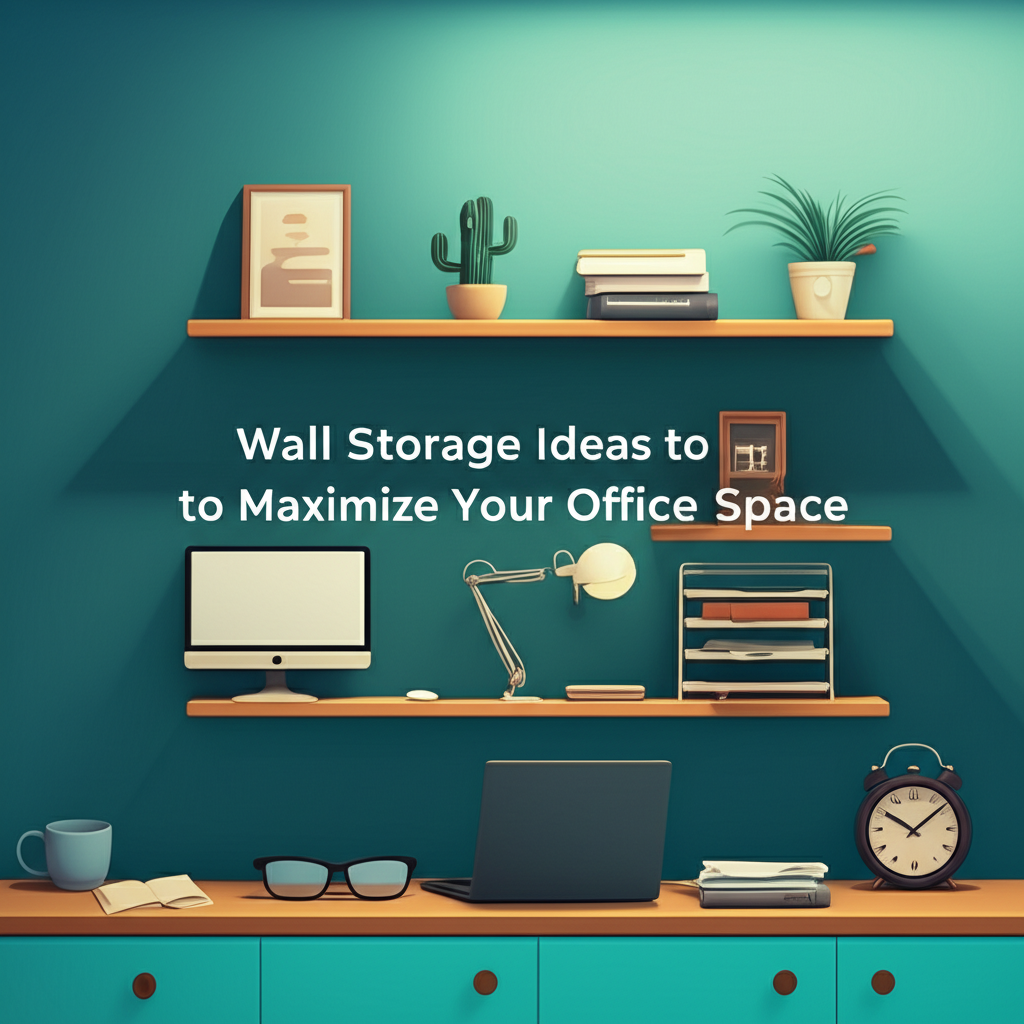
Is your office drowning in clutter while your desk space shrinks by the day? You’re not alone. As remote work and home offices become increasingly common, professionals everywhere are discovering that floor space is precious real estate that shouldn’t be wasted on filing cabinets and storage boxes. The solution lies in one often-overlooked dimension of your workspace: your walls. Vertical storage is the secret weapon that can transform even the smallest office into an organized, efficient, and visually appealing environment.
Wall storage isn’t just about mounting a shelf or two and calling it a day. It’s about strategically utilizing every inch of vertical space to create a functional system that keeps your essentials within arm’s reach while maintaining a clean, professional atmosphere. From floating shelves and pegboard systems to wall-mounted file organizers and magnetic boards, the options are virtually endless. The best part? Effective wall storage solutions can actually make your office feel larger by freeing up valuable floor and desk space that would otherwise be consumed by bulky furniture.
Whether you’re working with a compact home office corner or a spacious dedicated workspace, implementing smart wall storage ideas can revolutionize how you work. In this comprehensive guide, we’ll explore innovative and practical wall storage solutions that maximize your office space, enhance productivity, and create an organized environment where you can focus on what truly matters: your work.
Understanding the Benefits of Wall Storage in Office Spaces
Before diving into specific storage solutions, it’s important to understand why wall storage has become such a game-changer for office organization. Vertical storage maximizes cubic footage rather than just square footage, essentially giving you more usable space without expanding your office footprint. Studies show that organized workspaces can improve productivity by up to 25%, and proper storage systems play a crucial role in maintaining that organization.
Wall-mounted storage solutions offer several distinct advantages over traditional furniture. First, they create visual breathing room by keeping floors clear, which makes spaces appear larger and more open. Second, they improve accessibility by positioning frequently used items at eye level or within easy reach. Third, they’re often more cost-effective than purchasing additional furniture pieces. Finally, wall storage is incredibly versatile and can be customized to fit your specific needs and aesthetic preferences.
Floating Shelves: The Foundation of Wall Storage
Floating shelves remain one of the most popular and versatile wall storage options for good reason. These sleek, minimalist shelves appear to “float” against the wall without visible brackets, creating a clean, modern look that works in any office style. The key to effective floating shelf installation is strategic placement based on your daily workflow and the items you need to store.
Consider installing floating shelves at varying heights to accommodate different types of materials. Upper shelves work perfectly for books, binders, and decorative items that you access less frequently. Mid-level shelves should house your everyday essentials like reference materials, office supplies, and frequently used equipment. Lower shelves can hold heavier items or baskets that contain grouped supplies.
Choosing the Right Shelf Configuration
When planning your floating shelf layout, think beyond simple horizontal lines. Asymmetrical arrangements can add visual interest while maximizing storage capacity. L-shaped corner shelves make excellent use of otherwise wasted corner space. Staggered shelf heights create dynamic storage zones for different categories of items. For smaller offices, consider shallow shelves that provide storage without protruding too far into the room.
Pegboard Systems: Customizable and Functional
Pegboard systems have evolved far beyond their garage workshop origins to become sophisticated office storage solutions. Modern pegboards come in various colors, finishes, and materials that complement professional environments. The beauty of pegboard storage lies in its infinite customizability—you can rearrange hooks, shelves, and accessories whenever your needs change.
A well-designed pegboard system can hold an impressive array of office items. Use S-hooks for hanging scissors, headphones, and bags. Install small shelves for notebooks and supplies. Add cup holders for pens and pencils. Mount clips for displaying important documents or inspiration boards. The modular nature of pegboards means you’re never locked into one configuration, making them ideal for dynamic work environments.
Installation Tips for Pegboard Storage
For maximum stability, mount your pegboard to wall studs whenever possible. If you’re working with drywall, use appropriate anchors rated for the weight you plan to store. Consider installing pegboard panels in sections rather than covering an entire wall—this creates functional storage zones while maintaining visual balance. Paint or stain your pegboard to match your office décor, or choose bold colors to create an accent wall that doubles as storage.
Wall-Mounted File Organizers and Document Storage
Paper documents still play a significant role in most offices, and wall-mounted file systems offer an elegant solution for keeping them organized and accessible. Wall file organizers free up valuable desk drawers and filing cabinets while keeping important documents visible and within reach. These systems range from simple single-pocket holders to elaborate multi-tier sorting stations.
Consider your document flow when selecting wall file organizers. Horizontal pocket systems work well for active projects and incoming/outgoing mail. Vertical file holders maximize wall space in narrow areas. Magazine-style racks accommodate larger documents, catalogs, and folders. For shared offices, label each pocket clearly to maintain organization and ensure everyone knows where to file and retrieve documents.
Magnetic Boards and Metal Storage Solutions
Magnetic storage systems offer unique advantages for office organization. Metal boards provide surfaces for magnetic containers, hooks, and accessories that can be repositioned instantly. This flexibility makes magnetic storage ideal for visual planners and creative professionals who need to reorganize their workspace frequently.
Use magnetic containers to store small supplies like paper clips, pushpins, and rubber bands. Magnetic hooks can hold keys, badges, or lightweight equipment. Attach important documents with magnets for easy reference without pinning or taping. Some professionals use magnetic boards as dynamic project planning surfaces, moving tasks and notes around as projects evolve.
Grid and Rail Systems for Modern Offices
Grid wire systems and rail-mounted storage represent the cutting edge of modular office organization. These systems feature horizontal rails or wire grids mounted to walls, with various accessories that slide, clip, or hook onto the structure. The industrial-chic aesthetic appeals to contemporary office designs while providing exceptional functionality.
Rail systems excel at desk-adjacent storage, keeping supplies within arm’s reach without cluttering your work surface. Attach small shelves for frequently used items, hooks for bags and headphones, clips for documents, and containers for writing utensils. The ability to slide accessories along the rail means you can optimize your setup based on current projects and changing needs.
Cabinet and Closed Storage Solutions
While open storage offers easy access and visual appeal, wall-mounted cabinets provide essential concealment for items you want to keep out of sight. Closed storage maintains a cleaner appearance and protects sensitive materials from dust and damage. The key is balancing open and closed storage to create a functional yet aesthetically pleasing workspace.
Wall-mounted cabinets come in countless styles, from sleek modern designs to traditional wood finishes. Install them above desk height to maximize floor space while keeping storage accessible. Use cabinets for storing backup supplies, confidential documents, personal items, or equipment you use less frequently. Consider cabinets with glass doors to maintain visibility while still containing visual clutter.
Implementing Your Wall Storage Strategy
Creating an effective wall storage system requires thoughtful planning. Start by auditing your current office items and identifying what you use daily, weekly, and rarely. This inventory process helps determine which storage solutions best serve your needs and prevents over-purchasing unnecessary organizers.
Measure your available wall space carefully, noting the locations of electrical outlets, windows, and doors. Plan your storage layout on paper before mounting anything to ensure proper spacing and functionality. Install heavier storage solutions first, then add lighter accessories. Remember to leave adequate space between storage elements to prevent a cramped, cluttered appearance.
As you implement your wall storage solutions, maintain flexibility in your approach. Your needs may evolve, and the beauty of most wall storage systems is their adaptability. Regularly reassess your organization system and make adjustments to ensure it continues serving your productivity and workspace goals effectively.
Conclusion: Transform Your Office with Strategic Wall Storage
Maximizing your office space through wall storage solutions is one of the most effective ways to create a more organized, productive, and visually appealing work environment. Throughout this guide, we’ve explored how vertical storage transforms unused wall space into functional organizational zones that keep your workspace clutter-free without sacrificing valuable floor area.
From the minimalist elegance of floating shelves to the dynamic flexibility of pegboard systems, each storage solution offers unique advantages tailored to different organizational needs. Wall-mounted file organizers keep documents accessible and visible, while magnetic boards provide adaptable surfaces for evolving projects. Grid and rail systems deliver contemporary aesthetics alongside practical functionality, and wall-mounted cabinets offer essential concealment for items better kept out of sight.
The key to successful office organization lies in selecting storage solutions that align with your specific workflow and space constraints. Remember that combining open and closed storage creates the optimal balance between accessibility and visual cleanliness. Whether you’re working with a compact home office or a larger professional workspace, strategic wall storage implementation can significantly enhance both productivity and comfort.
As you’ve learned, proper planning is essential before installing any wall storage system. Taking time to audit your items, measure your space, and map out your storage layout ensures maximum effectiveness and prevents costly mistakes. The versatility and adaptability of modern wall storage systems mean your organizational approach can evolve alongside your changing needs.
Ready to reclaim your office space and boost your productivity? Start by identifying which wall storage solutions best match your current challenges and workspace style. Begin with one area of your office and gradually expand your system as you discover what works best for you. Take action today—your more organized, efficient, and spacious office is just a few strategic installations away. Share your wall storage transformation with colleagues who might benefit from these space-maximizing solutions, and watch as improved organization leads to enhanced focus and professional success.
