
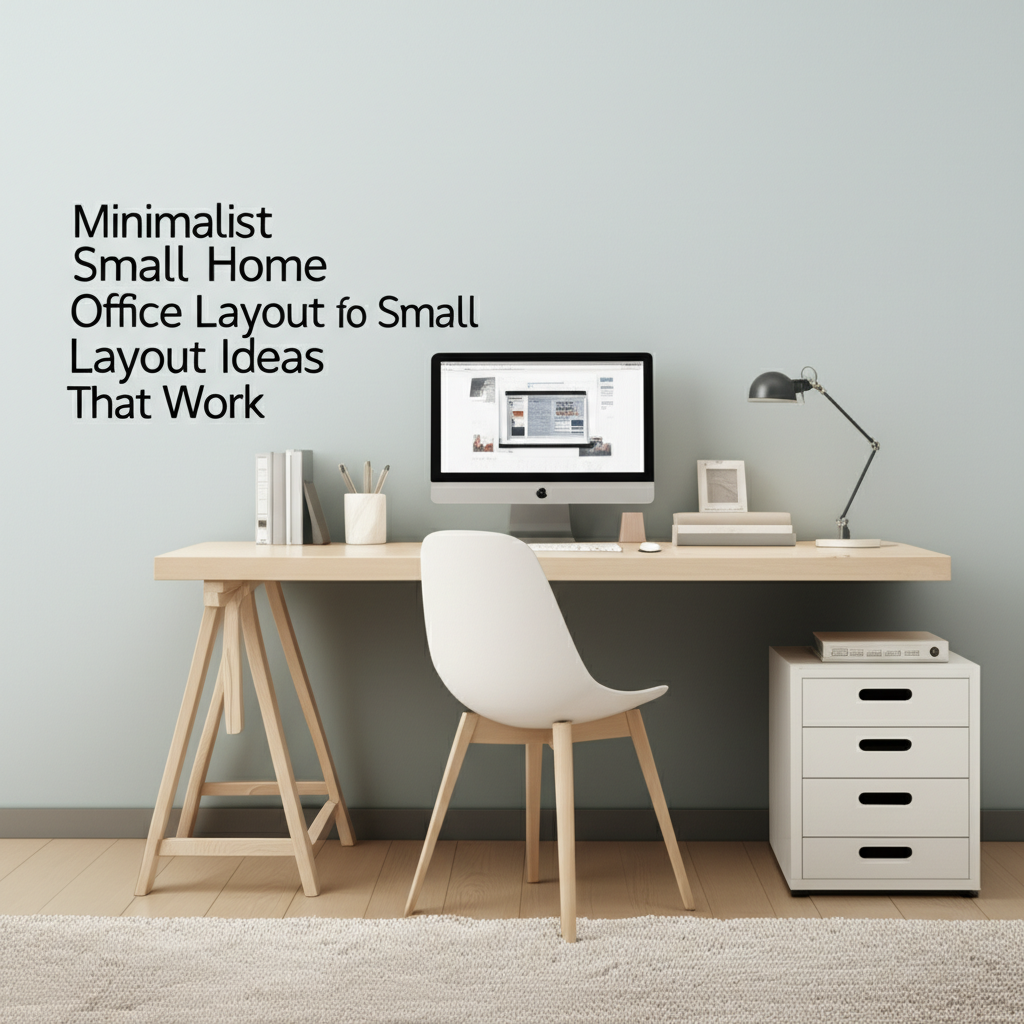
Working from home has become the new reality for millions of professionals worldwide, yet not everyone has the luxury of a spacious dedicated office. If you’re struggling to create a productive workspace in a cramped corner or tiny room, you’re not alone. The challenge of designing a functional home office in limited square footage can feel overwhelming, especially when clutter and distractions threaten to derail your focus and productivity.
Enter the minimalist approach—a game-changing solution that proves less is truly more when it comes to small home office design. By embracing clean lines, intentional furniture choices, and clever organizational strategies, you can transform even the smallest nook into a sleek, efficient workspace that inspires creativity and concentration. Minimalism isn’t just about aesthetics; it’s about creating an environment where every item serves a purpose and nothing competes for your attention.
In this comprehensive guide, we’ll explore practical minimalist layout ideas specifically tailored for small home offices. From multi-functional furniture solutions and smart storage hacks to color schemes that make your space feel larger, you’ll discover actionable strategies to maximize every inch of your workspace. Whether you’re working with a closet-turned-office, a bedroom corner, or a compact spare room, these minimalist design principles will help you create a professional, distraction-free environment that enhances both your productivity and well-being.
Understanding Minimalist Design Principles for Small Spaces
Before diving into specific layout ideas, it’s essential to grasp the core principles that make minimalism so effective for small home offices. Minimalist design revolves around the concept of intentionality—every piece in your workspace should earn its place by serving a functional or meaningful purpose. This philosophy naturally combats clutter, which research suggests can increase stress levels and reduce cognitive performance by up to 50%.
The beauty of minimalism lies in its emphasis on quality over quantity. Rather than cramming multiple furniture pieces into a limited area, you’ll focus on selecting fewer, higher-quality items that serve multiple functions. This approach not only creates visual breathing room but also reduces decision fatigue, allowing your brain to focus on work rather than processing environmental stimuli.
Key minimalist principles include maintaining clear surfaces, utilizing vertical space efficiently, adhering to a restricted color palette, and eliminating decorative items that don’t contribute to your productivity or wellbeing. When applied thoughtfully, these principles transform cramped quarters into streamlined sanctuaries of focus.
Essential Furniture Choices for Compact Home Offices
The Right Desk Makes All the Difference
Your desk is the foundation of any home office, and choosing the right one is critical in small spaces. Wall-mounted floating desks are ideal for truly tiny areas, providing a work surface without consuming floor space. These desks typically extend 18-24 inches from the wall—just enough room for a laptop and essential items while keeping the floor area open and uncluttered.
For slightly larger spaces, consider a corner desk configuration that capitalizes on often-wasted angular space. L-shaped corner desks maximize surface area while maintaining a compact footprint. Alternatively, narrow console tables measuring 12-16 inches deep can serve as surprisingly functional workstations in tight corridors or bedroom alcoves.
Seating Solutions That Don’t Overwhelm
The right chair supports both your body and your minimalist vision. Opt for armless task chairs that tuck completely under your desk when not in use, preserving precious floor space. Transparent acrylic chairs create a visually lightweight presence, making the room feel less crowded while still providing ergonomic support.
Studies indicate that proper ergonomic seating can improve productivity by 17-18%, so don’t sacrifice comfort for aesthetics. Look for chairs with adjustable height and lumbar support in neutral colors that complement your minimalist palette.
Multi-Functional Storage Solutions
Storage in minimalist small offices must work overtime. Vertical shelving units draw the eye upward, creating the illusion of height while maximizing storage capacity. Choose open shelving rather than bulky cabinets—it maintains visual lightness and encourages you to keep only essential items visible.
Consider furniture pieces that serve dual purposes: ottomans with hidden storage, desks with built-in drawers, or wall-mounted pegboards that function as both organization systems and visual dividers. The goal is to store everything you need while maintaining clean lines and uncluttered surfaces.
Strategic Layout Configurations for Different Small Spaces
The Corner Sanctuary
Bedroom or living room corners offer excellent opportunities for minimalist home offices. Position your desk diagonally across the corner to maximize surface area, or place it flush against one wall with a narrow shelving unit on the adjacent wall. This configuration creates a dedicated work zone while consuming minimal square footage.
Use a simple room divider or curtain to visually separate your workspace from the rest of the room, establishing boundaries that help your brain transition between work and personal time. This psychological separation is particularly important in multi-use spaces.
The Closet Office Conversion
Converting an underutilized closet into a compact office is increasingly popular, with many professionals reporting high satisfaction with this ultra-efficient solution. Remove closet doors to create an open workspace, or keep bifold doors to conceal the office when not in use—perfect for maintaining work-life boundaries.
Install a floating desk at the appropriate height (typically 28-30 inches), add overhead shelving for supplies, and mount task lighting under the upper shelf. This configuration provides everything needed for productive work within a footprint of approximately 6-8 square feet.
The Alcove Advantage
Hallway alcoves, spaces under stairs, or architectural nooks make excellent minimalist offices. These naturally defined areas already feel separate from main living spaces, providing built-in focus. Fit your workspace precisely to the dimensions of the alcove, using custom-cut desktop surfaces if necessary to maximize every inch.
Light colors and strategic lighting are crucial in these typically darker spaces. Paint alcove interiors in bright whites or soft neutrals to reflect light, and install both overhead and task lighting to eliminate shadows.
Color Schemes That Expand Small Spaces
Color psychology plays a significant role in how we perceive space. Monochromatic schemes in whites, light grays, or soft beiges create visual continuity that makes rooms feel larger. These neutral palettes also reduce visual noise, helping maintain the calm, focused atmosphere essential to minimalist design.
If pure white feels too stark, consider warm minimalist palettes incorporating soft taupes, pale woods, or muted sage greens. These colors provide subtle warmth while maintaining the clean, uncluttered aesthetic. Limit your palette to two or three coordinating colors maximum to avoid visual fragmentation.
Research shows that cool colors like blues and greens can enhance focus and productivity, making them excellent accent choices for small home offices. Use these strategically in small doses—a single plant, a desk accessory, or artwork—rather than as dominant colors.
Decluttering Strategies for Sustained Minimalism
Creating a minimalist office is one thing; maintaining it is another. Implement the “one in, one out” rule—whenever you add something new to your workspace, remove something existing. This prevents gradual accumulation that undermines your minimalist goals.
Adopt a daily closing routine: spend five minutes at day’s end clearing your desk, filing papers, and resetting your space. Studies suggest that starting each workday with a clean desk can improve focus by up to 20% and reduce the time spent searching for items by 60%.
Digital decluttering is equally important. Minimize physical paper by scanning documents, organizing digital files systematically, and unsubscribing from unnecessary emails. A minimalist approach extends beyond physical space to encompass your entire work environment.
Lighting and Ambiance in Minimal Spaces
Proper lighting is non-negotiable in small home offices. Natural light should be your primary source whenever possible—position your desk perpendicular to windows to minimize screen glare while maximizing daylight exposure. Natural light has been shown to improve mood, energy levels, and sleep quality.
Layer artificial lighting with overhead ambient lighting, adjustable task lighting, and subtle accent lighting. Wall-mounted swing-arm lamps save desk space while providing focused illumination. Choose fixtures with clean, simple lines that complement your minimalist aesthetic—avoid ornate designs that add visual clutter.
Temperature and air quality matter too. Small spaces can feel stuffy quickly, so incorporate a compact air purifier or desktop fan. Adding a single, low-maintenance plant like a snake plant or pothos not only improves air quality but also provides a biophilic element proven to reduce stress and enhance cognitive function.
Technology Integration in Minimalist Offices
Technology should enhance your minimalist workspace, not clutter it. Embrace wireless solutions wherever possible—Bluetooth keyboards, wireless charging pads, and cordless mice eliminate cable chaos. For remaining cords, use simple cable management solutions like adhesive clips or a single cable sleeve to bundle wires discretely along desk legs or walls.
Consider a laptop as your primary computer to reduce equipment footprint, or mount a monitor on a wall-mounted arm to free desk surface area. Cloud storage solutions reduce the need for physical filing systems, further supporting your minimalist goals while improving accessibility and backup security.
Conclusion: Creating Your Perfect Minimalist Home Office
Transforming a small space into an efficient, minimalist home office is entirely achievable with the right approach and intentional design choices. Throughout this guide, we’ve explored how minimalist principles—intentionality, quality over quantity, and purposeful decluttering—can turn even the most cramped quarters into productive work environments that enhance focus and reduce stress.
The key takeaways for creating your ideal minimalist small home office include selecting space-efficient furniture like floating desks, corner configurations, and armless task chairs that maximize functionality without overwhelming your space. Strategic layout configurations, whether you’re utilizing a bedroom corner, converting a closet, or optimizing an alcove, allow you to carve out dedicated workspace from nearly any available area.
Remember that successful minimalist design extends beyond furniture placement. Your choice of neutral color palettes creates visual expansion, while proper lighting—especially natural light—boosts both mood and productivity. Maintaining your minimalist office requires ongoing commitment through daily decluttering routines and the “one in, one out” rule, ensuring your workspace remains a sanctuary of focus rather than gradually accumulating clutter.
Technology integration through wireless solutions and smart cable management keeps your workspace clean and functional, while multi-functional storage solutions ensure everything has its place without sacrificing the clean lines that define minimalist aesthetics.
Now it’s time to take action. Start by assessing your available space and identifying which layout configuration best suits your needs. Measure your area carefully, then select one or two key furniture pieces that will form the foundation of your workspace. Remember, you don’t need to transform your entire office overnight—minimalism is about intentional, thoughtful choices, not rushed decisions.
Begin with decluttering your current workspace, removing items that don’t serve a clear purpose. Then, gradually introduce the minimalist elements we’ve discussed, always prioritizing quality and functionality. Your small home office has the potential to become a powerful productivity hub that proves square footage doesn’t determine success—thoughtful design does.
What will be the first minimalist change you implement in your home office? Start today, and experience how less truly can be more.
