
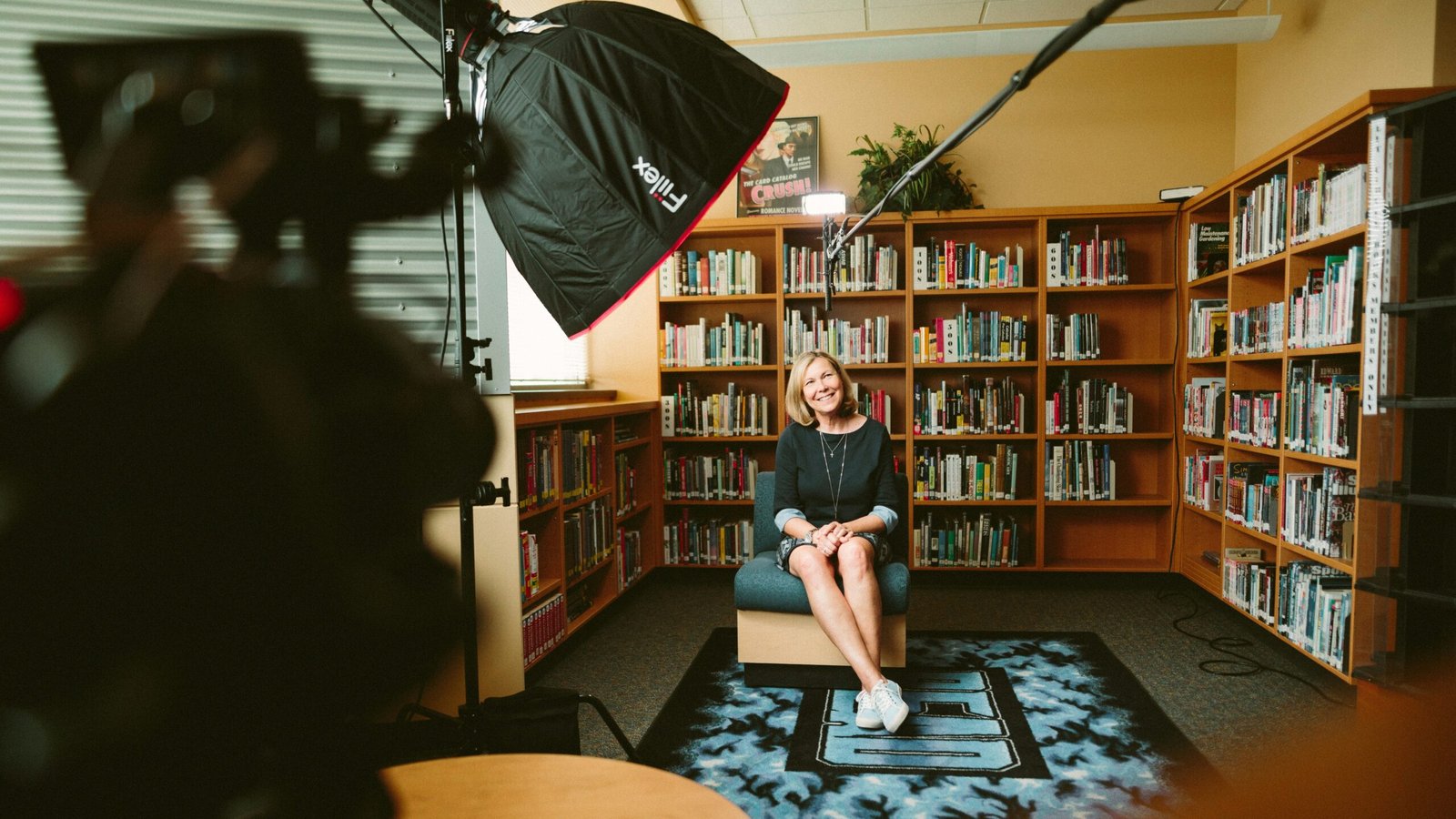
In today’s fast-paced digital world, attention spans are shrinking, and the demand for quick, digestible content has never been higher. Educational short videos have emerged as one of the most powerful tools for sharing knowledge, teaching new skills, and engaging audiences across all age groups. Whether you’re a teacher looking to supplement classroom learning, a professional wanting to share expertise, or an entrepreneur building a brand, creating compelling short-form educational content can help you reach and impact thousands of learners worldwide.
The beauty of educational short videos lies in their accessibility and effectiveness. Unlike lengthy lectures or dense written materials, these bite-sized lessons can explain complex concepts in minutes, making learning more approachable and less intimidating for beginners. Platforms dedicated to short-form content have democratized education, allowing anyone with a smartphone and a passion for teaching to become a content creator. The barrier to entry has never been lower, yet the potential for meaningful impact remains incredibly high.
If you’ve been wondering how to start creating your own educational short videos but feel overwhelmed by the technical aspects or unsure where to begin, you’re in the right place. This comprehensive guide will walk you through every step of the process—from planning your content and scripting your message to filming, editing, and publishing your videos. By the end, you’ll have all the knowledge and confidence needed to create engaging, professional-quality educational content that resonates with your target audience and helps them learn effectively.
Understanding the Power of Short-Form Educational Content
Before diving into the creation process, it’s essential to understand why short-form educational videos have become such an effective medium for learning. Research indicates that the human brain processes visual information significantly faster than text, with viewers retaining approximately 95% of a message when delivered through video compared to just 10% when reading text. This fundamental advantage makes video an incredibly powerful educational tool.
Short videos, typically ranging from 15 seconds to 3 minutes, align perfectly with modern viewing habits. They respect the viewer’s time while delivering focused, actionable information. The key to success lies in presenting one clear concept per video rather than attempting to cover too much ground. This focused approach helps learners absorb and retain information more effectively, reducing cognitive overload and increasing engagement.
Educational short videos also benefit from the social sharing potential inherent in platforms designed for quick content consumption. When viewers find value in a short educational video, they’re more likely to share it with their networks, exponentially increasing your reach and impact without additional effort or investment on your part.
Planning Your Educational Content Strategy
Identifying Your Target Audience
The foundation of any successful educational video starts with knowing exactly who you’re teaching. Your target audience determines everything from your language complexity to your visual style and platform choice. Consider factors such as age group, existing knowledge level, learning goals, and preferred learning styles. A video teaching mathematics to elementary students will look drastically different from one explaining the same concepts to adult learners returning to education.
Create a detailed learner persona that includes demographic information, pain points, learning objectives, and content preferences. This persona will serve as your north star throughout the creation process, helping you make decisions about tone, pacing, and presentation style.
Choosing Your Topics Wisely
Not every educational topic translates well to short-form video. The most successful short educational videos typically focus on:
- Single concepts or skills that can be explained clearly in under three minutes
- Visual demonstrations where showing is more effective than telling
- Quick tips and hacks that provide immediate value
- Step-by-step processes broken into digestible sequences
- Common misconceptions that can be quickly corrected
Start by brainstorming a list of potential topics within your area of expertise, then prioritize those that can be explained concisely while delivering genuine value to your audience. Consider creating topic series where each video builds upon the previous one, encouraging viewers to follow your content regularly.
Scripting and Structuring Your Videos
The Importance of a Tight Script
While spontaneity has its place, successful educational short videos almost always begin with a well-crafted script. A script ensures you stay on message, use your limited time efficiently, and deliver information in a logical sequence. Your script doesn’t need to be word-for-word, but it should outline your key points, transitions, and call-to-action clearly.
A proven structure for educational short videos includes an attention-grabbing hook in the first three seconds, a clear statement of what the viewer will learn, the main teaching content delivered in digestible chunks, and a concise conclusion with a call-to-action. This framework keeps viewers engaged from start to finish while ensuring your educational objectives are met.
Writing for the Screen
Writing for video differs significantly from writing for other mediums. Use conversational language that sounds natural when spoken aloud. Short sentences work better than complex ones, and active voice engages viewers more effectively than passive constructions. Read your script out loud multiple times, refining until it flows naturally and fits comfortably within your target duration.
Essential Equipment and Technical Setup
Starting with the Basics
One of the biggest misconceptions about creating educational videos is that you need expensive, professional equipment. While high-end gear can enhance production quality, most smartphones manufactured in the last few years have cameras capable of shooting excellent video. Content quality and teaching effectiveness matter far more than production polish, especially when starting out.
Essential equipment for beginners includes a smartphone or basic camera, a simple tripod or stable surface for steady shots, adequate lighting (natural light from windows works wonderfully), and a basic microphone to ensure clear audio. Audio quality deserves special attention—viewers will tolerate less-than-perfect video, but poor audio quality causes immediate disengagement.
Setting Up Your Recording Space
Your recording environment significantly impacts your video’s professionalism. Choose a quiet location with minimal background noise and distractions. Position yourself near a window for natural lighting, or invest in an affordable ring light or desk lamp. Pay attention to your background—it should be clean, uncluttered, and relevant to your content without drawing attention away from your message.
Filming Techniques for Engaging Educational Content
When filming, maintain eye contact with the camera lens to create connection with viewers. Speak clearly and at a moderate pace, pausing briefly between key points to allow information to sink in. Energy and enthusiasm are contagious—your passion for the subject matter will translate through the screen and engage your audience more effectively than monotone delivery, regardless of content quality.
Consider incorporating various visual elements to maintain interest and reinforce learning. These might include on-screen text highlighting key points, simple graphics or animations explaining concepts, demonstrations where you show rather than tell, and transitions between different angles or shots to add visual variety.
Editing Your Educational Videos
Editing transforms raw footage into polished, professional content. Numerous free and low-cost editing applications offer powerful features accessible to beginners. Focus on removing unnecessary pauses, cutting out mistakes, adding text overlays for emphasis, incorporating background music at appropriate volumes, and ensuring your final video moves at an engaging pace.
Keep editing relatively simple initially. Jump cuts—where you remove pauses and mistakes—work perfectly for educational content and are easy to execute. As you gain confidence, experiment with more advanced techniques like split screens, picture-in-picture effects, and animated transitions.
Publishing and Promoting Your Content
Choose platforms where your target audience already spends time. Different platforms favor different video lengths and styles, so tailor your content accordingly. Include clear, searchable titles that describe what viewers will learn, detailed descriptions with relevant keywords, and appropriate hashtags to increase discoverability.
Consistency matters more than perfection when building an audience. Commit to a realistic publishing schedule you can maintain, whether that’s one video weekly or three videos monthly. Regular content builds audience expectations and trust, gradually growing your reach and impact as an educational content creator.
Conclusion: Your Journey as an Educational Content Creator Starts Now
Creating educational short videos is an accessible and rewarding way to share your knowledge with the world. As we’ve explored throughout this guide, success doesn’t require expensive equipment or professional studio space—what truly matters is your ability to deliver valuable, focused content that genuinely helps your audience learn.
Remember the core principles that will guide your journey: understand your audience deeply, focus on teaching one clear concept per video, invest in quality audio above all else, and maintain consistency in your publishing schedule. Short-form educational content thrives on clarity and conciseness, so resist the temptation to overcomplicate either your message or your production process.
Start with the equipment you already have. Your smartphone, natural lighting from a window, and a quiet space are sufficient to produce your first videos. As you develop your skills and grow your audience, you can gradually invest in better equipment and more sophisticated editing techniques. The most important step is simply to begin—your first video doesn’t need to be perfect; it just needs to provide value to your viewers.
The educational video landscape continues to expand, with learners of all ages increasingly turning to short-form content for quick, accessible instruction. By entering this space now, you position yourself to make a meaningful impact while developing valuable skills in content creation, communication, and digital education.
Take action today. Choose one topic from your area of expertise, write a simple script following the structure outlined in this guide, and record your first educational short video. Don’t let perfectionism hold you back—every successful educational content creator started exactly where you are now. Film that first video, edit it using the basic techniques we’ve discussed, and publish it on a platform where your target audience gathers.
Your knowledge has the power to help others learn, grow, and achieve their goals. The world needs more educators willing to share what they know in accessible, engaging formats. Will you be one of them? Start creating your educational short videos today, and join the growing community of content creators making learning more accessible for everyone.
