
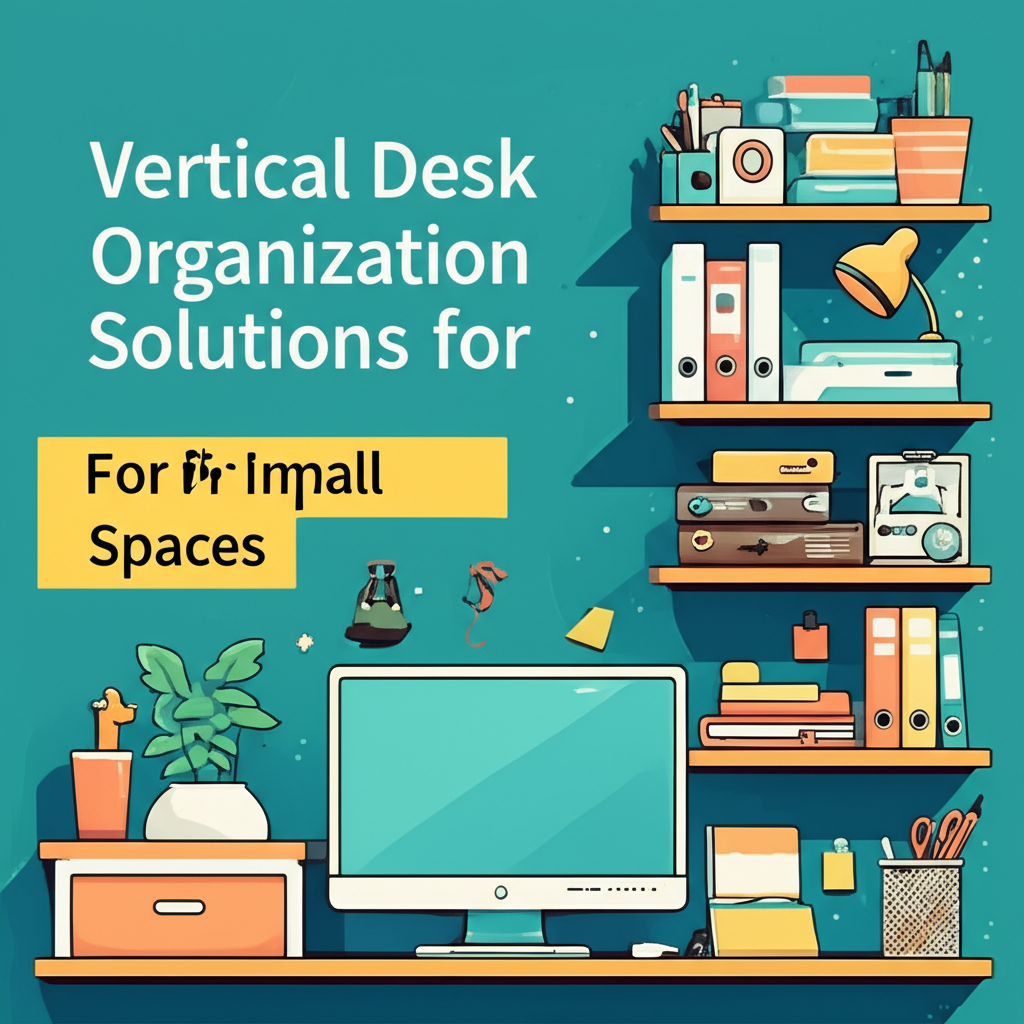
# Vertical Desk Organization Solutions for Small Spaces
In today’s world of compact living and increasingly smaller workspaces, finding effective storage solutions has become more crucial than ever. Whether you’re working from a tiny apartment, a cramped dorm room, or a cozy home office, the challenge remains the same: how do you maximize productivity without drowning in clutter? The answer lies in looking upward. Vertical desk organization transforms unused wall space into functional storage areas, allowing you to keep essential items within arm’s reach while maintaining a clean, spacious work surface that promotes focus and creativity.
Traditional horizontal storage methods simply don’t cut it when floor space is at a premium. By embracing vertical organization solutions, you can effectively double or even triple your storage capacity without expanding your desk’s footprint. From wall-mounted shelves and pegboards to magnetic panels and stackable organizers, these smart solutions help you reclaim valuable desk real estate while keeping your workspace both functional and aesthetically pleasing.
This comprehensive guide will walk you through the most innovative and practical vertical desk organization strategies specifically designed for limited spaces. You’ll discover how to assess your unique storage needs, choose the right vertical solutions for your workspace, and implement organization systems that actually work long-term. Whether you’re a remote worker, student, creative professional, or anyone seeking to optimize a small workspace, these techniques will help you create an efficient, clutter-free environment that enhances both productivity and peace of mind.
## Understanding the Benefits of Vertical Organization
Before diving into specific solutions, it’s essential to understand why vertical desk organization offers such significant advantages for small spaces. The primary benefit is obvious: by utilizing wall space, you free up your desktop for actual work tasks rather than storage. Studies indicate that cluttered workspaces can decrease productivity by up to 40%, as visual distractions compete for your attention and increase cognitive load.
Beyond the practical space-saving benefits, vertical organization also creates better workflow efficiency. When items are stored at eye level or within easy reach on walls, you spend less time searching through drawers or digging through piles. This visibility factor means you’ll always know where things are, reducing the mental energy wasted on hunting for supplies. Additionally, vertical systems naturally encourage you to keep only what you need, promoting a minimalist approach that serves small spaces particularly well.
From an ergonomic perspective, vertical storage solutions can actually reduce strain on your body. Instead of constantly bending down to access drawer contents or reaching across a cluttered desk, properly positioned wall-mounted organizers keep frequently used items at optimal heights. This consideration becomes increasingly important for anyone spending extended hours at their workspace.
## Assessing Your Workspace and Storage Needs
Effective vertical organization begins with a thorough assessment of your current situation. Start by measuring your available wall space, noting any restrictions like windows, electrical outlets, or areas where you can’t install hardware. Understanding your dimensional constraints prevents purchasing solutions that won’t fit or work in your specific environment.
Next, conduct an honest inventory of the items you need to store. Categorize them by frequency of use, size, and type. Common categories include writing instruments, notebooks, electronics and cables, reference materials, and personal items. This exercise often reveals that you’re holding onto items you rarely use, which can be relocated elsewhere or eliminated entirely.
Consider your work style and daily routines. If you frequently reference physical documents, you’ll need easy-access file storage. Creative professionals might prioritize tool organization, while digital workers may focus on cable management and device storage. Your vertical organization system should reflect how you actually work, not just provide generic storage.
## Wall-Mounted Shelving Systems
Wall-mounted shelves represent one of the most versatile vertical storage solutions available. Floating shelves create clean lines and modern aesthetics while providing substantial storage capacity. For small spaces, consider installing multiple narrow shelves rather than fewer deep ones, as this approach maximizes vertical space without creating visual bulk that can make rooms feel smaller.
Corner shelves deserve special attention in compact workspaces, as they utilize otherwise wasted space. These L-shaped or triangular units fit perfectly into corners, providing surprising storage capacity for books, decorative items, or frequently accessed supplies. Some systems allow you to stack corner shelves vertically, creating a tower of storage that draws the eye upward and makes ceilings appear higher.
Modular shelving systems offer exceptional flexibility for evolving needs. These configurable units allow you to add, remove, or rearrange components as your storage requirements change. Look for systems with adjustable heights and interchangeable accessories like hooks, small bins, or specialized holders for specific items.
## Pegboard and Grid Panel Solutions
Pegboards have evolved far beyond their garage workshop origins to become stylish and functional office organizers. Modern pegboard systems come in various colors, materials, and finishes that complement contemporary workspace aesthetics. The beauty of pegboards lies in their complete customizability—you can rearrange hooks, shelves, and accessories whenever your needs change.
Grid panels offer a similar concept with a more refined appearance. These metal or wire grids mount to walls and accept various clip-on accessories including shelves, baskets, hooks, and specialized holders. The open structure keeps everything visible while maintaining an airy feel that prevents small spaces from feeling cramped. Grid panels work particularly well for organizing craft supplies, cables, and small tools that benefit from immediate visibility.
When installing pegboard or grid systems, consider creating dedicated zones for different item categories. Designate one section for writing implements, another for electronics, and a third for reference materials. This zoning approach speeds up both storing and retrieving items, maintaining organization effortlessly over time.
## Magnetic Vertical Storage
Magnetic panels provide an innovative approach to vertical desk organization that’s particularly suited to renters or anyone unable to install permanent fixtures. These removable panels attach to walls using adhesive strips or lean against surfaces, creating instant magnetic storage without drilling holes. The magnetic surface accommodates various accessories including cups, bins, and hooks.
Small magnetic containers offer excellent solutions for organizing tiny items like paper clips, thumbtacks, push pins, and binder clips that otherwise create visual clutter. These containers attach directly to magnetic panels or any metal surface, keeping small supplies contained yet accessible. For maximum efficiency, use clear magnetic containers so you can identify contents at a glance.
Magnetic knife strips, typically used in kitchens, work brilliantly for organizing metal tools like scissors, rulers, and utility knives in office settings. This unexpected application keeps sharp items safely stored and immediately visible, eliminating the danger of reaching into cluttered drawers.
## Vertical File and Document Organization
Paper management presents unique challenges in small workspaces, but several vertical filing solutions address this effectively. Wall-mounted file holders keep important documents visible and accessible without consuming desk space. Tiered designs allow you to sort papers by project, urgency, or category while maintaining a slim profile.
Magazine holders mounted vertically on walls serve double duty, storing not only publications but also notebooks, folders, and even small electronics like tablets. Choose clear or mesh designs to maintain visibility, or opt for solid holders in coordinating colors to create visual cohesion. Mounting three to five holders vertically creates substantial storage capacity within a narrow footprint.
For those dealing with numerous documents, consider vertical filing systems with expandable pockets. These accordion-style organizers hang on walls and provide multiple compartments for sorting papers by category, project, or priority level. The expandable design accommodates varying paper quantities while maintaining organization.
## Desktop Vertical Organizers and Risers
While this guide emphasizes wall-mounted solutions, desktop vertical organizers play an important complementary role. Tiered desk organizers create multiple levels of storage within a small footprint, essentially building upward rather than outward. Look for designs with varying compartment sizes to accommodate different item types from pens to staplers to sticky notes.
Monitor stands with built-in storage exemplify smart vertical space utilization. By elevating your monitor to proper ergonomic height, you create valuable storage space underneath for keyboards, notebooks, or supplies. Some designs include drawers, shelves, or cubbies that transform dead space into functional storage.
Stackable letter trays and organizers offer another desktop vertical solution. These modular units connect securely while maintaining independent access to each level. Use them for sorting incoming mail, organizing projects in progress, or storing reference materials you access frequently.
## Implementation Tips for Long-Term Success
Successfully implementing vertical organization solutions requires more than just purchasing and installing products. Begin by decluttering thoroughly before adding any storage systems. There’s no point in organizing items you don’t actually need. Be ruthless in eliminating duplicates, outdated materials, and items you haven’t used in months.
Install vertical storage at appropriate heights for functionality. Frequently accessed items should occupy the zone between waist and eye level for easiest reach. Less-used items can go higher, while heavy objects should stay lower for safety. This strategic placement reduces physical strain and maintains efficiency.
Finally, commit to maintaining your system through regular quick resets. Spend five minutes at day’s end returning items to their designated spots. This small habit prevents gradual disorder and ensures your vertical organization system continues serving you effectively. Remember that organization is an ongoing practice, not a one-time event, and the systems that succeed are those that align with your natural habits and workflows.
## Conclusion: Transform Your Small Workspace with Vertical Organization
Creating an efficient and productive workspace in limited square footage no longer needs to be a challenge. As we’ve explored throughout this guide, vertical desk organization solutions offer a powerful approach to maximizing every inch of available space while simultaneously improving productivity, reducing clutter, and enhancing your overall work environment.
The key takeaways from implementing vertical organization strategies include understanding that utilizing wall space liberates your desktop for actual work rather than storage, which can boost productivity by reducing visual distractions and cognitive load. By assessing your specific workspace dimensions and storage needs before purchasing solutions, you ensure that every organizational tool serves a genuine purpose aligned with your work style and daily routines.
We’ve examined diverse vertical storage solutions suitable for various needs and preferences—from wall-mounted shelving systems and modular units that adapt to changing requirements, to pegboards and grid panels that offer complete customizability. Magnetic storage provides innovative options for renters or those seeking damage-free installations, while specialized vertical filing systems tackle the persistent challenge of paper management. Even desktop vertical organizers and monitor risers contribute to the overall strategy by building upward rather than outward.
Perhaps most importantly, successful vertical organization isn’t merely about purchasing products and installing them on your walls. It requires a thoughtful approach that begins with decluttering, continues with strategic placement at ergonomically appropriate heights, and sustains itself through consistent maintenance habits. The most effective systems are those that align naturally with how you actually work, making organization feel effortless rather than burdensome.
From an ergonomic standpoint, properly implemented vertical organization systems reduce physical strain by keeping frequently used items within easy reach at optimal heights. This consideration becomes increasingly valuable for anyone spending extended periods at their workspace, potentially preventing discomfort and promoting better posture throughout the workday.
Now it’s time to take action. Begin by measuring your available wall space and conducting an honest inventory of the items currently cluttering your desk. Identify which vertical organization solutions best match your specific needs—whether that’s pegboards for maximum flexibility, floating shelves for a minimalist aesthetic, magnetic panels for rental-friendly options, or a combination of several approaches. Start with one area or category of items rather than attempting to organize everything simultaneously, allowing yourself to refine your system as you discover what works best for your unique situation.
Remember that creating an organized workspace is an investment in your productivity, focus, and well-being. The few hours spent implementing these vertical desk organization solutions will pay dividends every single day as you work in a cleaner, more efficient, and more inspiring environment. Don’t let limited space limit your potential—transform your small workspace into an organized, functional area that supports your best work.
Ready to reclaim your desk space and boost your productivity? Choose one vertical organization solution from this guide and implement it this week. Share your before-and-after results or your favorite space-saving discovery in the comments below. Your experience might inspire someone else struggling with workspace clutter to finally take that first step toward a more organized, productive work environment.
