
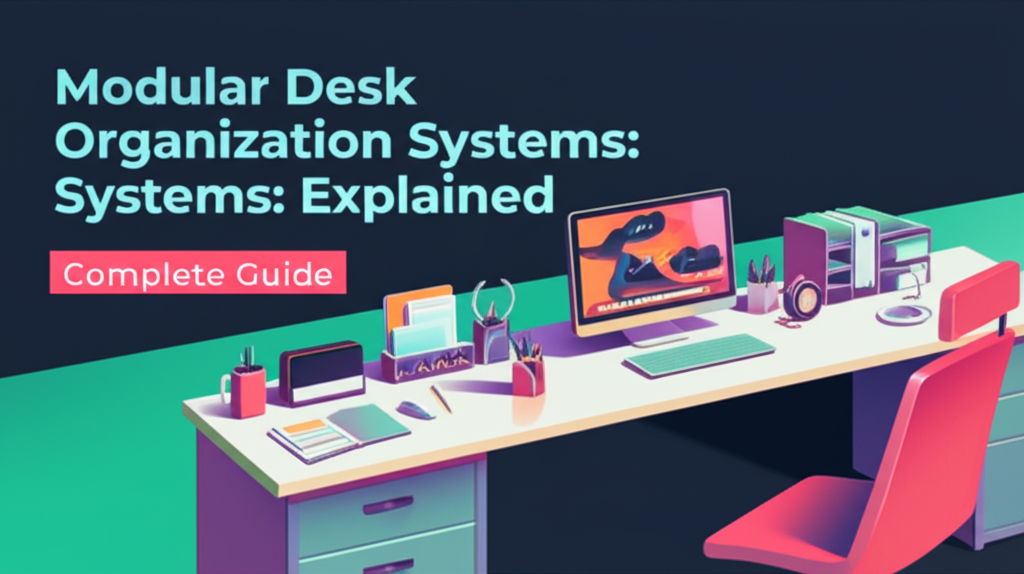
# Modular Desk Organization Systems: Complete Guide
In today’s fast-paced work environment, whether you’re working from home or in a traditional office, maintaining an organized workspace can dramatically impact your productivity and mental clarity. Modular desk organization systems have emerged as the ultimate solution for creating customized, efficient workspaces that adapt to your unique needs. Unlike traditional one-size-fits-all organizers, these innovative systems offer flexibility, scalability, and the ability to reconfigure your setup as your requirements evolve.
Imagine being able to add, remove, or rearrange storage components without purchasing an entirely new desk setup. That’s the beauty of modular organization systems. From adjustable drawer inserts and stackable trays to magnetic panels and interchangeable compartments, these versatile solutions transform cluttered desks into streamlined productivity hubs. Whether you’re a creative professional surrounded by art supplies, a remote worker juggling multiple devices, or a student managing textbooks and stationery, modular systems can be tailored to suit your specific workflow.
This comprehensive guide will walk you through everything you need to know about modular desk organization systems, including the different types available, key benefits, essential components to consider, and practical tips for designing your perfect workspace. By the end of this article, you’ll have the knowledge to create an organized, functional desk environment that not only looks professional but also enhances your daily efficiency and focus.
## What Are Modular Desk Organization Systems?
Modular desk organization systems are customizable storage solutions designed with interchangeable components that can be arranged, stacked, and reconfigured according to individual workspace needs. Unlike traditional fixed organizers, these systems consist of separate pieces that work together cohesively, allowing users to build their ideal setup piece by piece.
The fundamental principle behind modular design is flexibility. Each component serves a specific purpose—whether it’s storing pens, holding documents, organizing cables, or displaying frequently used items—but can be repositioned or replaced as priorities change. This adaptability makes modular systems particularly valuable for professionals whose work requirements shift over time or who need to accommodate various projects simultaneously.
Most modular systems utilize standardized dimensions or connecting mechanisms that ensure compatibility between different pieces. This standardization allows users to mix and match components, even adding new elements from different manufacturers, creating a truly personalized organizational ecosystem.
## Types of Modular Desk Organization Systems
### Drawer Insert Systems
Drawer insert systems transform chaotic desk drawers into perfectly organized compartments. These systems typically include adjustable dividers, removable bins, and expandable trays that can be configured to accommodate everything from paperclips to charging cables. The beauty of these inserts lies in their ability to maximize vertical and horizontal drawer space while keeping items separated and easily accessible.
Premium drawer systems often feature non-slip bases that prevent components from shifting when drawers open and close. Many designs incorporate shallow compartments for small items like thumbtacks or USB drives, alongside deeper sections for bulkier supplies.
### Vertical Stacking Solutions
Vertical modular systems capitalize on often-underutilized desk height, creating storage towers that keep surfaces clear. These solutions include stackable letter trays, multi-tiered document sorters, and modular shelving units that can be assembled to various heights depending on available space and storage needs.
The advantage of vertical systems is their ability to provide substantial storage capacity without consuming valuable desk surface area. Many designs allow users to add or remove levels, making them perfect for managing fluctuating workloads or seasonal projects.
### Pegboard and Panel Systems
Wall-mounted pegboard and panel systems offer exceptional versatility by allowing users to hang accessories at any position. These systems typically include hooks, baskets, shelves, and specialized holders that attach to perforated boards or slotted panels mounted above or beside the desk.
Modern panel systems have evolved beyond traditional pegboards to include magnetic surfaces, grid panels, and rail systems that support a wide range of attachments. This category is particularly popular among creative professionals who need quick access to tools and supplies while maintaining visual organization.
### Desktop Pod Systems
Desktop pod systems consist of individual compartmentalized units that can be arranged freely across the desk surface. These standalone modules might include pen holders, small drawer units, memo pad holders, and charging stations that can be positioned exactly where needed for optimal workflow efficiency.
The independence of each pod allows for complete customization of the desk layout. Users can cluster related items together, create dedicated zones for specific tasks, or spread components across the workspace to balance functionality and aesthetics.
## Key Benefits of Modular Organization Systems
### Adaptability to Changing Needs
One of the most significant advantages of modular systems is their ability to evolve with your requirements. As job responsibilities change, new equipment is acquired, or work processes are refined, the organization system can be reconfigured without starting from scratch. This adaptability provides exceptional long-term value and eliminates the frustration of outgrowing fixed organizational solutions.
### Cost-Effectiveness Over Time
While the initial investment in quality modular components might seem higher than purchasing a complete traditional organizer, the long-term economics favor modular systems. Instead of replacing entire units when needs change, users only purchase additional components or swap specific pieces. This incremental approach to building and modifying a workspace organization system proves more economical over extended periods.
### Improved Space Efficiency
Modular systems excel at maximizing available space through intelligent design. By allowing precise customization, these systems eliminate the wasted space that occurs with standard organizers that don’t quite fit specific needs. Users can configure storage to utilize every available inch, whether working with expansive executive desks or compact home office setups.
### Enhanced Productivity
Research consistently demonstrates that organized workspaces contribute to improved focus and efficiency. Modular systems take this further by allowing users to design layouts that align with their specific workflows. When every item has a designated, easily accessible location determined by actual usage patterns, less time is wasted searching for supplies and more time is devoted to meaningful work.
### Aesthetic Coherence
Beyond functionality, modular systems typically offer design consistency across components. Users can create visually appealing workspaces where all organizational elements complement each other in style, color, and material. This aesthetic coherence contributes to a professional appearance and a more pleasant working environment.
## Essential Components to Consider
### Core Storage Elements
When building a modular organization system, certain core components form the foundation. These include document trays for papers and files, compartmentalized containers for writing instruments, and drawer organizers for miscellaneous supplies. Establishing these basics ensures fundamental organizational needs are met before adding specialized components.
### Technology Management Solutions
In modern workspaces, managing technology is crucial. Modular systems should incorporate components specifically designed for cable management, device charging, and electronics storage. Cable clips, charging station modules, and device stands help tame the technological chaos that plagues many contemporary desks.
### Specialized Compartments
Depending on your profession or hobbies, specialized modules might be necessary. Artists might need palette storage, accountants may require calculator holders, and writers might benefit from reference book stands. The modular approach allows incorporation of these specialized elements alongside standard organizational components.
## Designing Your Perfect Modular Setup
### Assess Your Actual Needs
Before purchasing any components, conduct a thorough inventory of items requiring storage and organization. Categorize supplies by frequency of use, size, and function. This assessment prevents over-buying unnecessary components while ensuring nothing essential is overlooked. Consider photographing your current desk setup to identify pain points and organizational challenges.
### Plan Your Workspace Zones
Divide your desk into functional zones based on activities. Common zones include a primary work area, a reference zone for frequently consulted materials, a supply zone for tools and stationery, and a technology zone for devices and chargers. Planning these zones before selecting modular components ensures a logical, efficient layout.
### Start with Versatile Foundation Pieces
Begin building your system with versatile, multipurpose components rather than highly specialized pieces. Basic trays, adjustable dividers, and simple containers provide flexibility as you refine your organizational strategy. As your system evolves and specific needs become clearer, add more specialized modules.
### Consider Vertical and Horizontal Balance
Effective workspace organization utilizes both vertical and horizontal space. Avoid concentrating all storage on the desk surface, which creates clutter and reduces working area. Similarly, don’t rely exclusively on vertical storage, which can make frequently used items inconvenient to access. Striking the right balance between these dimensions creates an efficient, accessible system.
### Leave Room for Growth
When configuring your modular system, intentionally leave some empty space or positions for future expansion. Work requirements change, new projects emerge, and additional supplies accumulate over time. Building in capacity for growth prevents the system from feeling cramped and maintains organizational effectiveness as needs evolve.
## Maintenance and Optimization
Even the best modular organization system requires periodic evaluation and adjustment. Schedule regular reviews—perhaps quarterly—to assess whether your current configuration still serves your needs effectively. Remove components that no longer prove useful, reposition modules that would work better elsewhere, and identify gaps where additional organizational elements might improve efficiency.
Maintaining your system also involves consistent habits. Return items to their designated locations after use, regularly purge unnecessary materials, and clean components to prevent dust accumulation. These simple practices ensure your modular system continues delivering organizational benefits long after initial setup.
## Conclusion
Modular desk organization systems represent a sophisticated approach to workspace management that prioritizes flexibility, functionality, and personalization. By investing in quality modular components and thoughtfully designing a system tailored to your specific needs, you create a workspace that actively supports productivity rather than hindering it. The adaptability of these systems ensures your organizational infrastructure grows and changes alongside your professional development, making them a wise investment for anyone committed to maintaining an efficient, clutter-free workspace.
## Conclusion
Modular desk organization systems offer a transformative solution for anyone seeking to create a more efficient, personalized, and adaptable workspace. Throughout this guide, we’ve explored how these flexible systems differ fundamentally from traditional fixed organizers through their interchangeable components and customizable configurations.
The key advantages are clear: modular systems adapt to your changing needs, provide superior space efficiency, enhance productivity through personalized layouts, and deliver long-term cost-effectiveness. Whether you choose drawer insert systems, vertical stacking solutions, pegboard panels, or desktop pod systems, the modular approach ensures your organizational infrastructure can evolve alongside your professional growth.
We’ve also covered essential considerations for designing your perfect setup—from assessing your actual needs and planning functional workspace zones to balancing vertical and horizontal storage while leaving room for future expansion. Remember that the most effective modular systems start with versatile foundation pieces and incorporate both core storage elements and specialized components tailored to your specific profession or activities.
The beauty of modular organization lies not just in the initial setup but in its ongoing flexibility. Regular maintenance, periodic reassessment, and consistent organizational habits ensure your system continues delivering maximum benefit long after implementation.
Ready to transform your workspace? Start by conducting an inventory of your current desk items and identifying your primary organizational challenges. Begin with a few foundational modular components that address your most pressing needs, then gradually expand your system as you discover what works best for your unique workflow. Take the first step toward a clutter-free, highly productive workspace today—your future self will thank you for the investment in better organization.
