
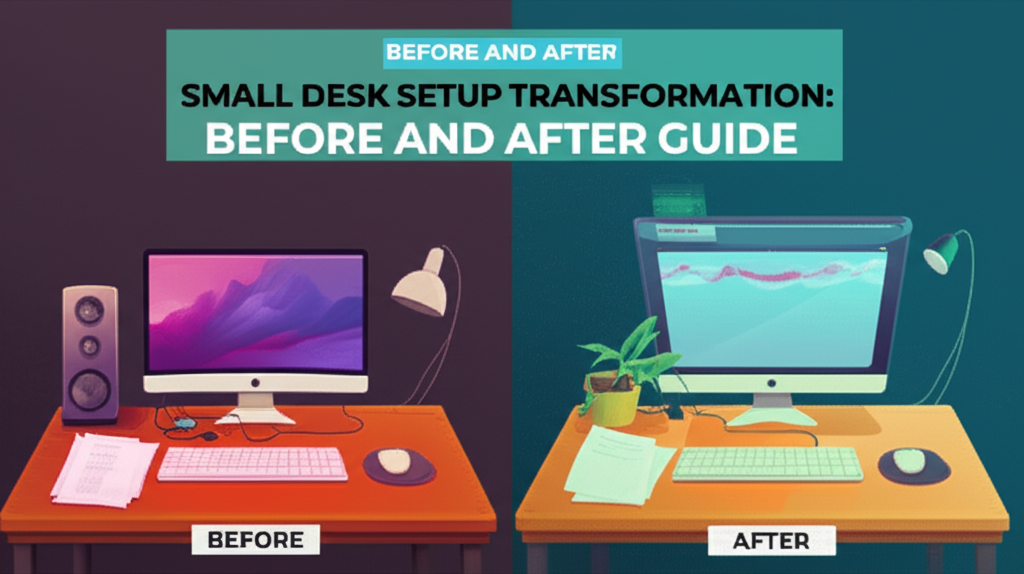
Working from home has become the new normal for millions of people worldwide, and your desk setup can make or break your productivity and comfort throughout the day. Whether you’re struggling with a cramped corner workspace or feeling uninspired by your current arrangement, transforming a small desk setup doesn’t have to be overwhelming or expensive. The difference between a cluttered, inefficient workspace and a streamlined, inspiring desk environment often comes down to smart planning and creative solutions.
A small desk setup presents unique challenges that many remote workers and students face daily. Limited space means every square inch matters, and poor organization can quickly lead to frustration, decreased focus, and even physical discomfort. However, size doesn’t determine functionality – some of the most productive workspaces are compact, well-designed areas that maximize vertical space, minimize clutter, and incorporate personal touches that inspire creativity and focus.
In this comprehensive before and after guide, we’ll walk you through the complete process of transforming a small desk setup from chaotic to efficient. You’ll discover practical strategies for decluttering, essential tools and accessories that save space, creative storage solutions, and aesthetic improvements that won’t break the bank. Whether you’re working with a tiny apartment corner, a shared bedroom space, or a compact home office, these proven techniques will help you create a workspace that enhances your productivity and brings you joy every time you sit down to work.
Assessing Your Current Small Desk Setup: The “Before” Analysis
Before diving into any transformation project, you need to take an honest look at your current workspace. Understanding what’s not working is the first step toward creating a functional, inspiring desk setup. Start by spending a full workday at your desk while noting every frustration, inconvenience, or distraction you encounter.
Common problems with small desk setups include insufficient surface area for both computer equipment and paperwork, tangled cables creating visual chaos, inadequate lighting causing eye strain, and lack of storage leading to piles of documents and supplies. Studies show that cluttered environments can reduce productivity by up to 40% and increase stress levels significantly. Take photos of your workspace from multiple angles – these “before” images will not only help you identify problem areas but also serve as motivation as you progress through your transformation.
Creating Your Workspace Inventory
Make a comprehensive list of everything currently on and around your desk. Categorize items into four groups: daily essentials, occasional use items, decorative elements, and things that don’t belong in your workspace at all. This inventory reveals how much you’re trying to fit into your limited space and helps prioritize what truly deserves a spot on your desk. Most people discover they’re keeping items within reach that they use less than once per week, unnecessarily consuming valuable real estate.
The Decluttering Phase: Creating a Clean Foundation
Decluttering is the cornerstone of any successful desk transformation. Remove everything from your desk surface and surrounding area – yes, everything. This blank slate approach allows you to reimagine your space without being influenced by old habits and arrangements.
Apply the 80/20 rule to your workspace: research indicates that most people use only 20% of their supplies and equipment 80% of the time. Your desk should house only items you use daily or several times per week. Everything else should be stored elsewhere or eliminated entirely. Be ruthless with paper clutter – digitize documents whenever possible, shred outdated paperwork, and create a simple filing system for essential physical documents.
The Digital Declutter
Don’t forget about digital clutter, which can be just as distracting as physical mess. While your physical desk is clear, organize your computer desktop, delete unnecessary files, and streamline your digital workspace. A clean digital environment complements your physical transformation and contributes to overall mental clarity and focus.
Smart Storage Solutions for Small Spaces
Once you’ve decluttered, it’s time to implement strategic storage solutions that maximize your limited space. The key principle for small desk setups is thinking vertically rather than horizontally. Wall-mounted shelves, pegboards, and floating organizers can dramatically increase your storage capacity without consuming precious desk surface area.
Consider these effective storage strategies: desk organizers with multiple compartments keep small items contained and easily accessible, drawer dividers prevent the junk drawer phenomenon, under-desk storage units utilize often-wasted space, and monitor stands with built-in storage create dual functionality. Cable management solutions like clips, sleeves, and boxes eliminate the visual chaos of tangled cords that plague most small setups.
Vertical Storage Systems
Installing a pegboard above your desk creates customizable storage that adapts to your changing needs. You can hang baskets, hooks, and small shelves exactly where you need them. Similarly, floating shelves positioned within arm’s reach keep frequently used items accessible without cluttering your work surface. Magazine holders mounted vertically can organize notebooks, folders, and tablets efficiently.
Essential Tools and Accessories for Your Transformed Setup
The right tools can make a small desk setup feel spacious and functional. A laptop stand elevates your screen to proper ergonomic height while creating storage space underneath for keyboards or notebooks. Wireless peripherals eliminate cable clutter and provide flexibility in arrangement. A quality desk lamp with adjustable brightness prevents eye strain during long work sessions.
Invest in multi-functional items that serve more than one purpose. A monitor with built-in USB ports reduces cable runs to your computer. A desk pad provides a smooth writing surface while protecting your desk and defining your workspace boundaries. Compact charging stations consolidate device charging into one organized location rather than having multiple chargers scattered across your desk.
Ergonomic Considerations
Even in small spaces, ergonomics cannot be compromised. Research shows that poor ergonomic setups contribute to decreased productivity and increased physical discomfort. Your monitor should be at arm’s length with the top of the screen at or slightly below eye level. Your keyboard and mouse should allow your elbows to rest at 90-degree angles. If your desk is too high or low, adjustable furniture or accessories like footrests can bridge the gap.
The Aesthetic Transformation: Making Your Space Inspiring
Functionality matters, but aesthetics play a crucial role in motivation and mental well-being. A visually pleasing workspace makes you want to spend time there and can significantly impact your mood and creativity. Choose a cohesive color scheme with two to three complementary colors to create visual harmony without overwhelming your small space.
Incorporate personal touches thoughtfully – one or two meaningful items like a favorite plant, inspiring photograph, or motivational quote add personality without creating clutter. Small plants not only beautify your space but studies indicate they can improve air quality and reduce stress levels. Choose low-maintenance varieties like succulents or pothos that thrive in various lighting conditions.
Lighting Your Workspace Properly
Good lighting transforms both the functionality and appearance of your desk setup. Layer your lighting with ambient overhead light, task lighting for detailed work, and optional accent lighting to reduce screen glare and eye strain. Position your desk lamp to illuminate your work without creating harsh shadows or reflecting on your monitor.
Maintaining Your Transformed Small Desk Setup
The transformation doesn’t end when your new setup is complete. Maintaining your organized, efficient workspace requires consistent habits and regular maintenance. Implement a daily five-minute cleanup routine at the end of each workday – return items to their designated spots, file any papers, and wipe down surfaces.
Conduct weekly reviews to assess what’s working and what needs adjustment. Your needs may evolve, and your workspace should adapt accordingly. Monthly deep cleans prevent gradual clutter accumulation and keep your setup feeling fresh. Remember that maintaining organization in a small space requires more diligence than in larger areas because clutter becomes noticeable and problematic much faster.
Measuring Your Transformation Success
After implementing these changes, take new photos from the same angles as your “before” images. The visual comparison will showcase your impressive transformation and reinforce your new organizational habits. Beyond aesthetics, evaluate functional improvements: Can you find items quickly? Do you feel more focused? Has your productivity increased? Is your workspace more comfortable for extended periods?
A successful small desk transformation balances aesthetics, functionality, and personal needs. Your transformed workspace should feel spacious despite its physical limitations, support your productivity without distraction, and inspire you daily. Remember that perfect doesn’t exist – your ideal setup is one that works specifically for your workflow, tasks, and personal preferences while maximizing the potential of your available space.
Conclusion: Your Small Desk Setup Transformation Starts Today
Transforming a small desk setup from cluttered and frustrating to organized and inspiring is entirely achievable with the right approach and commitment. Throughout this guide, we’ve explored the essential steps to revolutionize your workspace: conducting an honest “before” analysis to identify problem areas, decluttering both physical and digital spaces using the 80/20 rule, implementing smart vertical storage solutions that maximize limited surface area, selecting multi-functional tools and accessories that enhance both form and function, creating an aesthetic environment that motivates and inspires, and establishing maintenance routines that preserve your transformation long-term.
The key to success lies in understanding that small doesn’t mean inadequate. With strategic planning and thoughtful organization, even the most compact desk setup can become a productivity powerhouse that supports your work, protects your physical health through proper ergonomics, and positively impacts your mental well-being. Remember that your workspace transformation is a personal journey – what works perfectly for someone else may not suit your specific needs, workflow, or style preferences.
The before-and-after comparison of your workspace will serve as powerful evidence of what’s possible when you commit to intentional organization and design. Beyond the visual satisfaction, you’ll experience tangible benefits including reduced stress levels, increased focus and productivity, easier access to essential items, improved physical comfort during long work sessions, and a renewed enthusiasm for spending time in your workspace.
Don’t wait for the perfect moment to begin your transformation – start today. Take those crucial “before” photos right now, create your workspace inventory this afternoon, and dedicate this weekend to decluttering and reimagining your small desk setup. Small, consistent actions lead to remarkable results. Begin with just one section of your desk, implement one storage solution, or organize one category of items. Momentum builds naturally once you start seeing improvements.
Share your transformation journey with others – post your before-and-after photos, document your process, and inspire friends and colleagues who struggle with similar workspace challenges. Your success story might be exactly the motivation someone else needs to tackle their own desk transformation. We’d love to hear about your experience, the challenges you overcame, and the solutions that worked best for your unique situation.
Ready to transform your small desk setup? Grab your phone, take those “before” photos, and take the first step toward creating a workspace that truly works for you. Your more organized, productive, and inspiring workspace is waiting – all it takes is your decision to begin.
