
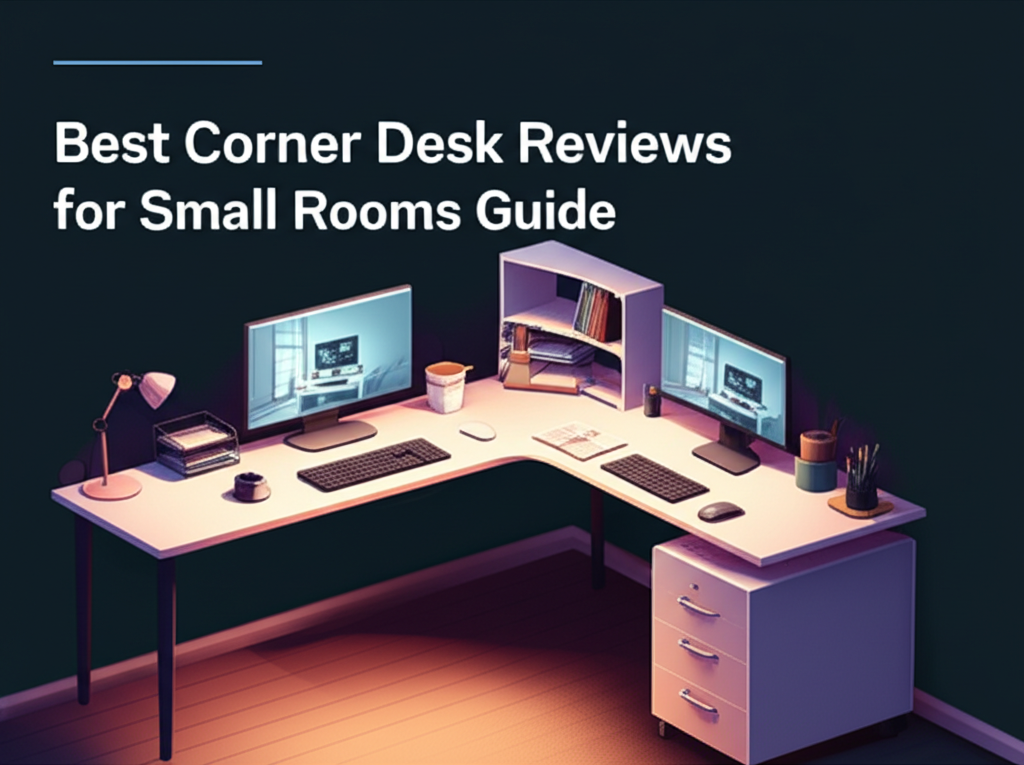
Finding the perfect workspace solution in a small room can feel like solving a complex puzzle. You need functionality, style, and efficiency—all while maximizing every square inch of available space. This is where corner desks emerge as the unsung heroes of compact living and working environments. By utilizing often-wasted corner space, these clever furniture pieces transform awkward angles into productive work zones without compromising on comfort or storage capacity.
Whether you’re setting up a home office in a cozy apartment, creating a study nook in a bedroom, or optimizing a multipurpose room, a well-chosen corner desk can dramatically improve both your space utilization and work experience. The right corner desk doesn’t just fit into your room—it enhances the entire layout, providing ample surface area for your computer, documents, and accessories while maintaining an open, uncluttered feel. However, with countless options flooding the market, each promising to be the ultimate space-saving solution, how do you identify which corner desk truly delivers on its promises?
In this comprehensive guide, we’ve done the heavy lifting for you by thoroughly reviewing the best corner desks specifically designed for small rooms. We’ll examine essential factors like dimensions, build quality, storage features, assembly ease, and overall value to help you make an informed decision. Whether you prioritize modern aesthetics, budget-friendly options, or maximum functionality, our detailed reviews will guide you toward the perfect corner desk that transforms your limited space into a productive and inspiring workspace.
Understanding Corner Desk Dimensions for Small Spaces
When shopping for a corner desk in a small room, dimensions are paramount. The most common mistake people make is focusing solely on the desk’s width without considering the depth and overall footprint. Compact corner desks typically range from 40 to 60 inches along each wall, creating a triangular workspace that maximizes corner real estate without overwhelming the room.
For truly tight spaces, look for L-shaped desks with dimensions around 42 inches on each side. These smaller models provide sufficient workspace for a laptop, monitor, and essential accessories without dominating the room. Mid-sized options measuring approximately 50 to 55 inches offer a sweet spot between functionality and space efficiency, accommodating dual monitor setups while maintaining maneuverability around the desk.
The desktop depth matters equally. Most quality corner desks feature depths between 20 and 24 inches, which provides adequate space for your keyboard and monitor while keeping everything within comfortable reach. Remember to measure your available corner space carefully, accounting for door clearances, baseboards, and the room you’ll need to pull out your chair comfortably.
Top Corner Desk Styles for Compact Rooms
Minimalist Floating Corner Desks
Floating corner desks represent the ultimate space-saving solution for small rooms. These wall-mounted units eliminate bulky legs, creating an illusion of spaciousness while providing functional workspace. Floating designs work exceptionally well in modern or Scandinavian-inspired interiors, offering clean lines and unobstructed floor space that makes rooms feel larger than they actually are.
The primary advantage of floating corner desks is their versatility in height adjustment. You can mount them at your ideal ergonomic height without being constrained by standard desk dimensions. They’re particularly suitable for rooms where floor space is at an absolute premium, such as studio apartments or converted closet offices.
Traditional L-Shaped Corner Desks
The classic L-shaped corner desk remains popular for good reason. These freestanding units provide substantial workspace while fitting snugly into corners. Quality L-shaped desks feature sturdy construction with four or five legs for stability, along with cable management solutions to keep your workspace tidy.
Many traditional corner desks include built-in storage options like drawers, shelves, or cabinet space underneath. This integrated storage eliminates the need for additional furniture pieces, further optimizing your small room’s layout. When selecting an L-shaped desk, prioritize models with a keyboard tray, as this feature adds functional workspace without increasing the desk’s footprint.
Convertible and Modular Designs
For maximum flexibility, convertible corner desks offer adjustable configurations that adapt to changing needs. Some models feature removable sections that allow you to switch between corner placement and straight desk arrangements. This versatility proves invaluable if you anticipate relocating or rearranging your space frequently.
Modular corner desks consist of separate components that connect together, allowing you to customize the configuration based on your specific corner dimensions and storage requirements. These systems often include optional add-ons like hutches, file cabinets, or extension surfaces that you can incorporate as your needs evolve.
Material Considerations and Durability
The material composition of your corner desk significantly impacts both its longevity and aesthetic appeal. Engineered wood products like MDF or particleboard with laminate finishes dominate the budget-friendly segment. While these materials keep costs down, quality varies considerably between manufacturers. Look for thicker boards (at least 0.75 inches) and reinforced edges to ensure stability and prevent sagging over time.
Solid wood corner desks offer superior durability and timeless aesthetics but command premium prices. Woods like oak, maple, or walnut provide exceptional strength and can withstand decades of use. However, their weight can be substantial, making them challenging to assemble and reposition in small spaces.
Metal frame desks with tempered glass or wood composite tops present an excellent middle ground. The metal framework provides robust support while maintaining a lighter visual profile than solid wood alternatives. Glass tops create an open, airy feeling that works beautifully in compact rooms, though they require regular cleaning to maintain their appearance.
Essential Storage Features for Small Room Corner Desks
Effective storage integration transforms a simple corner desk into a complete workspace solution. For small rooms where additional furniture isn’t feasible, your desk must work harder to accommodate all your organizational needs.
Built-in drawers are indispensable for storing office supplies, documents, and personal items out of sight. Look for desks with at least one deep file drawer capable of holding hanging folders, plus one or two smaller drawers for miscellaneous items. Under-desk storage solutions should feature smooth-gliding mechanisms and adequate depth to be genuinely functional.
Shelving options add vertical storage without consuming additional floor space. Desktop hutches provide convenient storage for frequently accessed items while keeping your primary work surface clear. Open shelving works well for displaying decorative items or storing books, while closed cabinets conceal clutter and maintain a streamlined appearance.
Cable management features often go overlooked but dramatically impact your desk’s functionality and appearance. Integrated wire grommets, cable trays, or rear cutouts help route power cords and device cables neatly, preventing the tangled mess that plagues many home offices.
Assembly and Installation Considerations
Corner desk assembly complexity varies dramatically between models. Some manufacturers design their products for straightforward assembly with minimal tools, while others require significant time, patience, and sometimes two people to complete setup properly.
Before purchasing, review assembly feedback from other customers. Desks with pre-drilled holes, clearly labeled parts, and comprehensive instructions significantly reduce assembly frustration. Pre-assembled sections or partially constructed units minimize setup time, though they may be bulkier to transport.
For small rooms, consider how you’ll maneuver the desk components through doorways and hallways during installation. Some larger corner desks ship in multiple boxes but assemble into units that won’t fit through standard doorways once completed, necessitating assembly in the final location.
Budget Guidelines and Value Assessment
Corner desks for small rooms span a wide price spectrum, from budget-conscious options under one hundred dollars to premium pieces exceeding several hundred. Understanding what you’re paying for helps ensure you receive appropriate value.
Entry-level corner desks typically feature basic particleboard construction with minimal storage and simpler designs. These work adequately for light-duty use but may not withstand heavy daily demands or frequent relocations. Mid-range options generally offer better materials, additional features, and improved stability, representing the best value for most users.
Premium corner desks justify higher prices through superior construction, solid wood materials, extensive storage integration, and refined finishes. If you plan to use your desk extensively for professional work or creative pursuits, investing in a higher-quality piece often proves economical over time.
Making Your Final Selection
Choosing the ideal corner desk for your small room requires balancing multiple factors against your specific needs and constraints. Start by accurately measuring your available space, then establish your must-have features versus nice-to-have additions.
Consider your work style and storage requirements. If you primarily work on a laptop with minimal paperwork, a streamlined desk with basic storage suffices. Conversely, if you juggle multiple devices, reference materials, and supplies, prioritize models with comprehensive organizational features.
Don’t overlook aesthetic compatibility with your existing décor. Your corner desk will occupy a prominent position in your small room, so selecting a style and finish that complements your space enhances overall room cohesion. With careful consideration of dimensions, materials, features, and budget, you’ll find a corner desk that transforms your limited space into an efficient, comfortable, and inspiring workspace.
Conclusion: Transform Your Small Room with the Perfect Corner Desk
Selecting the right corner desk for a small room is ultimately about making smart compromises that maximize both functionality and space efficiency. Throughout this guide, we’ve explored the critical dimensions to consider—typically ranging from 40 to 60 inches along each wall with depths of 20 to 24 inches—ensuring your desk fits comfortably without overwhelming your limited square footage.
We’ve examined three primary desk styles that excel in compact spaces: floating corner desks that create visual spaciousness through wall-mounted designs, traditional L-shaped models offering robust workspace with integrated storage, and convertible modular systems that adapt to your changing needs. Each style presents unique advantages depending on your specific space constraints and work requirements.
Material selection significantly impacts both durability and aesthetics. Whether you choose budget-friendly engineered wood, premium solid wood construction, or contemporary metal-and-glass combinations, understanding the trade-offs between cost, longevity, and visual appeal empowers you to make informed decisions. Remember that quality construction with reinforced edges and adequate thickness prevents common issues like sagging and instability.
Storage integration cannot be understated when working with small rooms. Built-in drawers, shelving options, and cable management features transform your corner desk from simple furniture into a complete organizational system, eliminating the need for additional space-consuming pieces. Prioritize desks with thoughtful storage solutions that accommodate your specific supplies and equipment.
Assembly considerations and budget constraints round out the decision-making process. Reading customer reviews about assembly complexity helps avoid frustrating experiences, while understanding the relationship between price points and quality ensures you invest wisely based on your usage intensity and longevity expectations.
Ready to reclaim your corner space and boost your productivity? Start by measuring your available area accurately, then use the criteria outlined in this guide to evaluate potential corner desks. Consider your work style, storage needs, aesthetic preferences, and budget limitations. Don’t rush this decision—your corner desk will serve as the foundation of your workspace for years to come.
Take action today by exploring corner desk options from reputable furniture retailers, reading verified customer reviews, and comparing specifications against your requirements checklist. Your perfect small-room corner desk is waiting to transform that underutilized corner into your most productive and inspiring workspace yet. Invest in the right solution now, and enjoy the benefits of a well-organized, efficient, and comfortable work environment that proves small spaces can deliver big results.
