
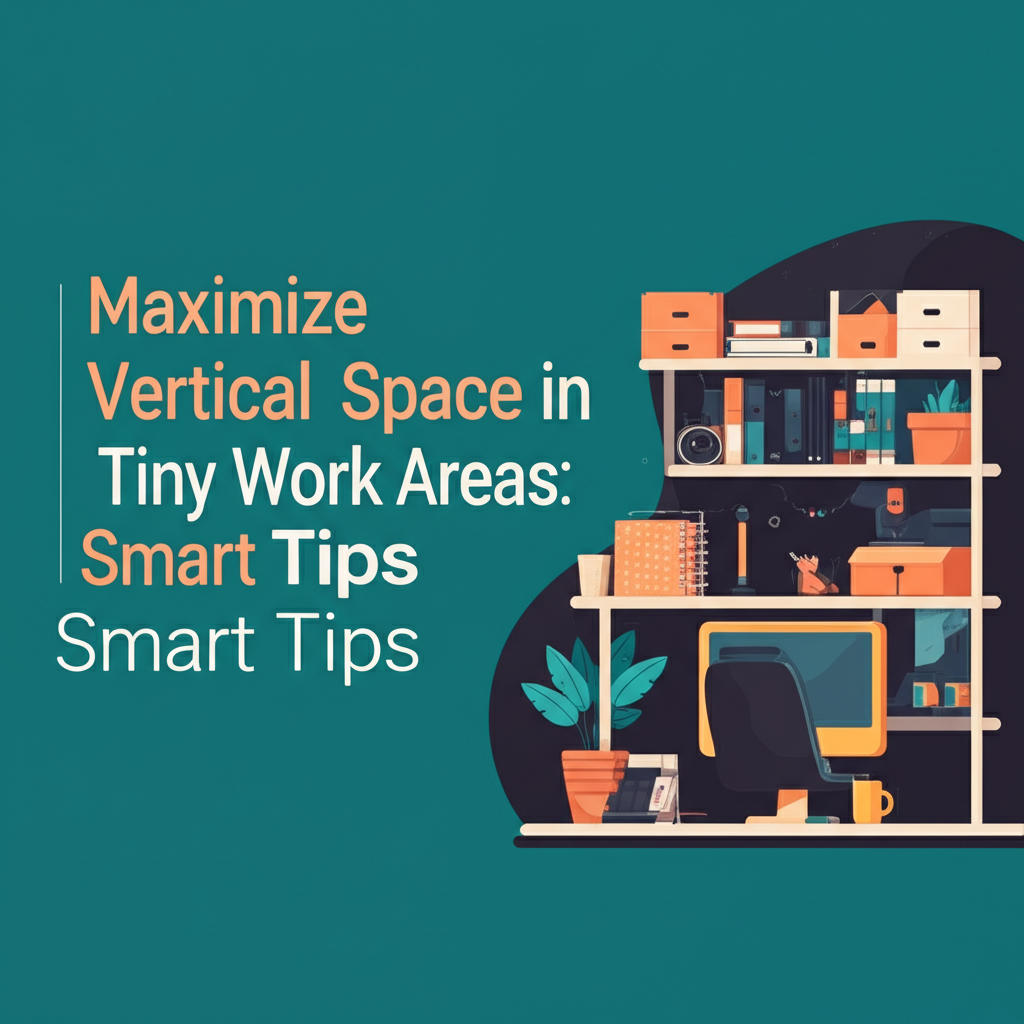
Working in a tiny space can feel like trying to solve an impossible puzzle, especially when your desk is cluttered, your storage is overflowing, and you’re constantly running out of room for essential items. Whether you’re managing a compact home office, a small corner workspace, or a cramped cubicle, the struggle to stay organized and productive is real. But here’s the secret that design experts have known for years: the solution isn’t always adding more floor space—it’s about looking up.
Vertical space is the most underutilized resource in tiny work areas, yet it holds incredible potential to transform your cramped workspace into an efficient, organized, and surprisingly spacious environment. By strategically using your walls, shelving systems, and overhead areas, you can dramatically increase your storage capacity without sacrificing a single inch of precious floor space. The best part? Maximizing vertical space doesn’t require expensive renovations or complex installations—just smart planning and creative thinking.
In this comprehensive guide, you’ll discover practical tips and innovative strategies to help you reclaim your workspace and boost your productivity. From wall-mounted organizers and floating shelves to clever pegboard solutions and multi-level desk arrangements, we’ll show you how to make every vertical inch count. Get ready to revolutionize your tiny work area and create a functional, clutter-free environment that actually works for you.
Understanding the Power of Vertical Organization
Before diving into specific solutions, it’s important to understand why vertical space is such a game-changer for tiny work areas. Research shows that the average workspace uses less than 30% of its available wall space, leaving enormous potential untapped. When you shift your storage and organization upward, you’re essentially creating multiple layers of functionality within the same footprint.
The psychology of vertical organization also plays a crucial role in productivity. When items are stored at eye level or above, they remain visible and accessible without creating visual clutter on your desk surface. This keeps your primary work area clear and your mind focused. Additionally, utilizing vertical space creates the illusion of a larger room by drawing the eye upward and making ceilings appear higher.
Wall-Mounted Storage Solutions
Floating Shelves: The Foundation of Vertical Storage
Floating shelves are the cornerstone of any vertical organization strategy. These sleek, bracket-free shelves provide essential storage without the bulky appearance of traditional shelving units. Install floating shelves above your desk to store frequently used items like reference books, binders, and office supplies. Arrange them in a staggered pattern to create visual interest while maximizing storage capacity.
For optimal functionality, place your most-used items on shelves positioned between shoulder and eye level. This ergonomic sweet spot ensures easy access without excessive reaching or bending. Reserve higher shelves for items you need less frequently, such as archived documents or seasonal supplies.
Pegboard Systems: Customizable and Versatile
Pegboards offer unmatched flexibility for tiny workspaces. These perforated panels allow you to rearrange hooks, baskets, and holders as your needs change, making them ideal for dynamic work environments. A single pegboard panel can replace multiple drawer organizers and desk accessories, freeing up valuable surface area.
Install a pegboard directly behind your desk or on an adjacent wall. Use it to hang scissors, tape dispensers, headphones, charging cables, and even small potted plants. The beauty of pegboard systems lies in their adaptability—you can reconfigure your setup in minutes without any additional hardware or wall damage.
Wall-Mounted Desk Accessories
Traditional desk organizers consume precious workspace, but wall-mounted alternatives solve this problem elegantly. Consider installing wall-mounted file holders, magazine racks, or mail sorters to keep documents organized and off your desk. Magnetic strips mounted on walls can hold metal tools, scissors, and paper clips, turning your wall into a functional organization hub.
Wall-mounted monitor arms are particularly valuable in tiny work areas. By elevating your computer screen and freeing it from a traditional stand, you gain several inches of desk space beneath the monitor for keyboards, notebooks, or other essential items.
Overhead Storage Strategies
Ceiling-Mounted Solutions
Don’t overlook the space above your head. Ceiling-mounted shelving units or hanging organizers can store lightweight items without interfering with your workflow. Hanging baskets suspended from ceiling hooks work perfectly for storing papers, supplies, or personal items you need to keep within reach but off your desk.
For workspaces with drop ceilings, specialized hanging file organizers can slide between ceiling tiles, creating hidden storage that’s accessible yet invisible from most angles. This approach is particularly effective in shared office environments or cubicles.
Over-Door Storage
If your work area includes a door, you’re sitting on untapped storage potential. Over-door organizers with multiple pockets can hold everything from notebooks and folders to charging cables and office supplies. These organizers require no installation and can be moved or removed instantly, making them perfect for rental spaces or temporary work areas.
Multi-Level Desk Configurations
Desktop Risers and Platforms
Creating multiple levels on your desk surface effectively multiplies your available workspace. Desktop risers elevate your monitor while creating storage space underneath for keyboards, notebooks, or office supplies. Monitor stands with built-in drawers or compartments combine elevation with hidden storage, keeping your desk surface clean while maintaining easy access to essentials.
Corner shelving units that sit on your desk add vertical storage without requiring wall installation. These units are ideal for renters or anyone who can’t modify their walls, providing multiple tiers for organizing supplies, books, or decorative items.
Stackable Organizers
Vertical stacking transforms horizontal clutter into organized towers. Stackable letter trays, drawer units, and file holders build upward instead of outward, consolidating scattered items into compact vertical arrangements. Studies indicate that vertical stacking can reduce desk clutter by up to 60% while improving accessibility to frequently used items.
When implementing stackable systems, organize items by frequency of use. Place daily essentials at mid-height for easy access, while less-used items occupy higher or lower positions in the stack.
Vertical Filing and Document Management
Traditional horizontal file storage consumes enormous desk space, but vertical alternatives offer elegant solutions. Wall-mounted file organizers hang documents vertically, making labels instantly visible and files easy to grab. Vertical file holders on your desk keep documents upright and organized without the sprawl of horizontal stacking.
Magazine files arranged vertically can store binders, notebooks, and project folders efficiently. Mount these on shelves or keep them on your desk to transform chaotic paper piles into neat, organized rows that take up minimal space.
Smart Technology Integration
Modern technology enables vertical organization in innovative ways. Wall-mounted charging stations keep devices powered without cluttering your desk with cables and adapters. Vertical laptop stands position computers upright when not in use, reducing their footprint from roughly 100 square inches to less than 10.
Cable management becomes easier when you think vertically. Run charging cables up walls using adhesive clips, then down to your devices. This keeps cables organized, prevents tangling, and maintains a clean aesthetic throughout your workspace.
Creating Functional Zones
Effective vertical organization divides your workspace into functional zones at different heights. Designate your desk surface for active work only. Position frequently accessed items on lower wall-mounted shelves or pegboards within arm’s reach. Reserve upper shelving for reference materials and archived items you need occasionally but not daily.
This zoning strategy reduces decision fatigue and improves workflow efficiency. When everything has a designated vertical location based on usage frequency, you’ll spend less time searching for items and more time being productive.
Maintenance and Optimization
Maximizing vertical space isn’t a one-time project—it requires ongoing maintenance and occasional adjustment. Regularly assess your vertical storage systems to ensure they’re meeting your needs. Remove items you no longer use, reorganize as your work evolves, and don’t be afraid to experiment with new configurations.
Schedule quarterly reviews of your vertical organization system to identify inefficiencies and opportunities for improvement. As you become more comfortable with vertical thinking, you’ll discover creative solutions uniquely suited to your specific workspace and workflow.
By implementing these vertical space strategies, you’ll transform your tiny work area from cramped and chaotic into organized and efficient. The key is starting with one or two solutions, evaluating their impact, then gradually expanding your vertical organization system. Your newly optimized workspace will not only function better but also feel more spacious, helping you stay focused and productive throughout your workday.
Conclusion: Transform Your Tiny Workspace with Vertical Thinking
Maximizing vertical space in tiny work areas is more than just a storage solution—it’s a complete shift in how you approach workspace organization. Throughout this guide, we’ve explored how utilizing the untapped 70% of wall space can dramatically transform cramped workspaces into efficient, productive environments. By implementing vertical organization strategies, you’re not just creating more storage; you’re building a smarter, more functional workspace that supports your productivity and mental clarity.
The key takeaways from this comprehensive approach include starting with foundational wall-mounted solutions like floating shelves and pegboard systems, which provide flexible and customizable storage without sacrificing floor space. Overhead storage strategies, including ceiling-mounted solutions and over-door organizers, allow you to tap into often-overlooked areas. Multi-level desk configurations with risers and stackable organizers multiply your available workspace vertically, while smart technology integration keeps cables and devices organized without cluttering your work surface.
Remember that effective vertical organization relies on creating functional zones based on usage frequency. Keep your desk surface clear for active work, position daily essentials within arm’s reach on lower shelves, and reserve upper storage for less frequently accessed items. This zoning strategy reduces visual clutter, minimizes decision fatigue, and streamlines your workflow.
The beauty of vertical organization is its adaptability. Whether you’re working in a home office, cubicle, or shared workspace, these strategies can be customized to fit your specific needs and constraints. Start small by implementing one or two solutions that address your most pressing space challenges, then gradually expand your system as you discover what works best for your workflow.
Don’t let a tiny workspace limit your productivity and creativity. Take action today by assessing your current space and identifying which vertical solutions will make the biggest impact. Measure your walls, evaluate your storage needs, and invest in the organizational tools that will transform your cramped work area into an efficient, inspiring environment. Your future self will thank you for the clarity, focus, and additional space you’ve created by simply thinking vertically.
Ready to reclaim your workspace? Start by choosing just one vertical storage solution from this guide and implement it this week. Share your transformation with colleagues or friends to inspire them to maximize their own tiny work areas. The journey to a more organized, productive workspace begins with a single step upward.
