
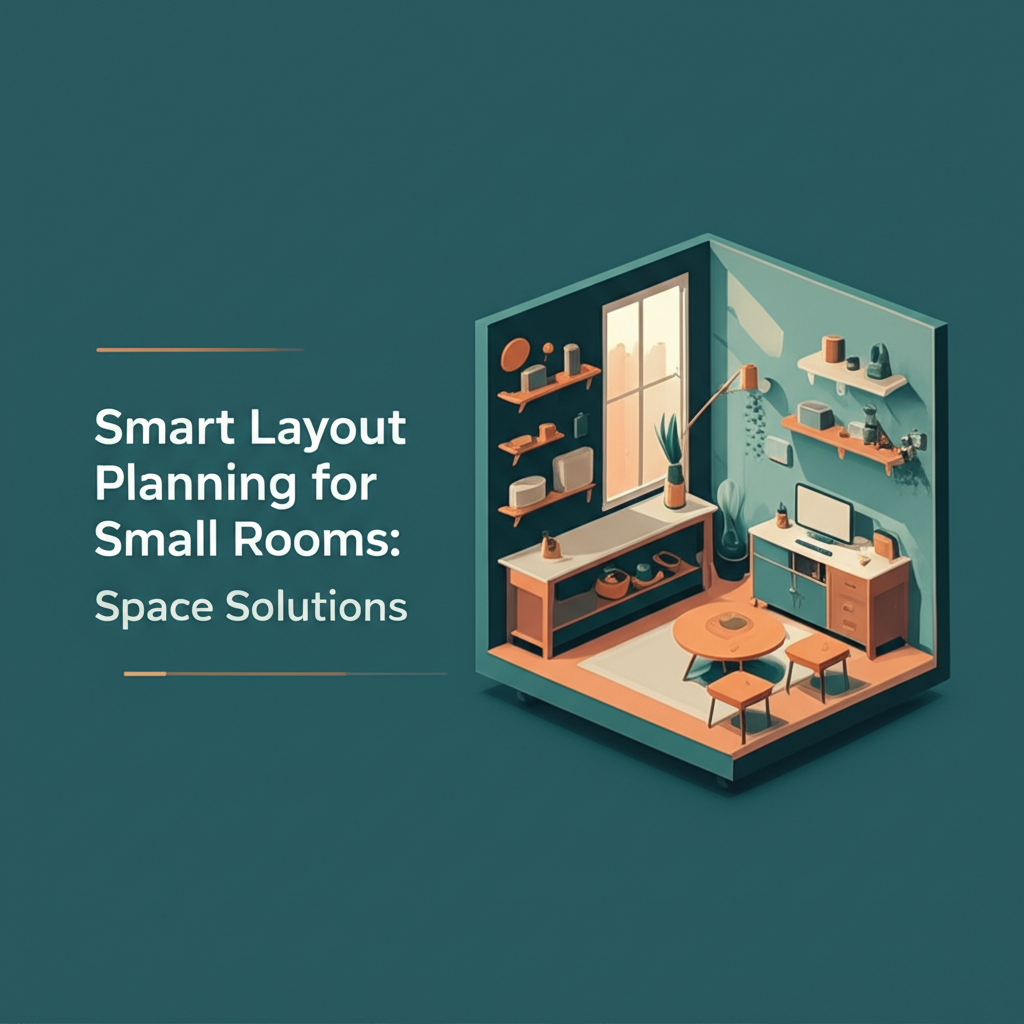
Living in a small space doesn’t mean sacrificing style, comfort, or functionality. Whether you’re dealing with a compact apartment, a tiny bedroom, or a cozy studio, the key to making the most of limited square footage lies in strategic layout planning. With the right approach, even the smallest rooms can feel spacious, organized, and inviting. The challenge isn’t about the size of your space—it’s about how intelligently you use every inch of it.
Many people struggle with cramped, cluttered rooms simply because they haven’t discovered the power of smart spatial design. From furniture placement and multi-functional pieces to creative storage solutions and visual tricks, there are countless ways to transform a confined area into a practical and beautiful living environment. The secret is understanding how to balance aesthetics with efficiency, creating a layout that not only looks good but actually works for your daily lifestyle.
In this comprehensive guide, we’ll explore proven strategies for maximizing small room layouts that professional designers rely on. You’ll discover how to choose the right furniture scale, optimize traffic flow, utilize vertical space, and implement clever design techniques that make rooms appear larger than they actually are. Get ready to reimagine your small space and unlock its full potential with these practical, actionable solutions.
Understanding Space Assessment and Measurement
Before rearranging furniture or purchasing new pieces, start with a thorough space assessment. Measure your room carefully, noting the dimensions of walls, doorways, windows, and any architectural features like alcoves or built-in elements. Create a simple floor plan on graph paper or use a digital room planning app to visualize different layout options without the physical effort of moving heavy furniture.
Consider the room’s natural focal point—this might be a window with a great view, a fireplace, or the primary entrance. Your layout should enhance rather than fight against these inherent features. Additionally, identify dead zones where space often goes unused, such as corners or areas behind doors. These spots present valuable opportunities for creative storage solutions that won’t interfere with the room’s flow.
Strategic Furniture Selection and Placement
Choosing the Right Scale
One of the most common mistakes in small room design is selecting furniture that’s too large or too bulky. Properly scaled furniture is essential for maintaining visual balance and physical comfort. Opt for pieces with slim profiles, raised legs, and open designs that allow light and sight lines to flow through the space. A sofa with exposed wooden legs, for example, creates a sense of airiness compared to one with a solid skirt reaching the floor.
Don’t assume that tiny furniture is always the answer, though. A few appropriately-sized pieces often work better than many small items scattered throughout the room. This approach prevents the space from feeling cluttered and disjointed. Consider a substantial bed frame with built-in storage drawers rather than a small bed surrounded by multiple dressers and nightstands.
Multi-Functional Furniture Solutions
Multi-purpose furniture is your greatest ally in small space living. Look for pieces that serve double or triple duty, maximizing functionality without consuming extra square footage. Popular options include:
- Murphy beds that fold up into the wall, transforming bedrooms into living areas during the day
- Storage ottomans that provide seating, footrest space, and hidden storage compartments
- Nesting tables that can be stacked together or separated as needed
- Sofa beds or futons that accommodate overnight guests without requiring a dedicated guest room
- Extendable dining tables that expand for entertaining and contract for everyday use
- Desk-vanity combinations that serve both work and grooming needs
When shopping, prioritize quality over quantity. Investing in well-designed, durable multi-functional pieces will serve you better than filling your space with inexpensive, single-purpose items.
Optimizing Traffic Flow and Zoning
A well-planned layout ensures smooth movement throughout the space without awkward navigation or constant furniture bumping. Aim to maintain pathways of at least 24 to 36 inches wide for comfortable passage. In studio apartments or open-plan spaces, create distinct zones for different activities—sleeping, working, dining, and relaxing—even without physical walls.
Use furniture arrangement, area rugs, lighting, and even paint colors to define functional zones. Position a bookshelf perpendicular to a wall to separate the sleeping area from the living space, or use a console table behind a sofa to delineate the dining area. These visual boundaries help organize the room psychologically, making it feel more structured and purposeful.
Maximizing Vertical Space
When floor space is limited, think upward. Vertical storage solutions are often underutilized in small rooms, yet they offer tremendous potential for organization without sacrificing valuable square footage. Install shelving that extends toward the ceiling, using upper shelves for items you access less frequently and lower shelves for everyday necessities.
Consider these vertical strategies:
- Wall-mounted desks that fold up when not in use
- Hanging organizers for closets, pantries, and behind doors
- Tall, narrow bookcases instead of short, wide ones
- Ceiling-mounted pot racks in kitchens
- High-mounted shelving for displaying decorative items
- Pegboards for organizing tools, craft supplies, or accessories
Draw the eye upward with vertical design elements like floor-to-ceiling curtains, vertical striped wallpaper, or tall plants. This visual trick creates the illusion of higher ceilings and more expansive space.
Color, Light, and Visual Expansion Techniques
Strategic Color Choices
Color psychology plays a significant role in how we perceive space. Light, neutral colors reflect more light and make rooms feel larger and more open. White, soft gray, beige, and pale pastels are classic choices for small spaces. That doesn’t mean you must create a sterile white box, though. Add personality through colorful accessories, artwork, and textiles that can be easily changed.
For a bolder approach, consider painting one accent wall in a deeper color while keeping the other walls light. This creates depth and visual interest without overwhelming the space. Maintain color continuity between rooms or areas to create flow and prevent the space from feeling choppy.
Lighting Strategies
Proper lighting can dramatically affect how spacious a room feels. Maximize natural light by keeping windows unobstructed or using sheer curtains that provide privacy while allowing light penetration. For artificial lighting, employ a layered approach combining ambient, task, and accent lighting.
Install wall sconces or pendant lights instead of table lamps to free up surface space. Use mirrors strategically to reflect both natural and artificial light, effectively doubling the illumination while creating the illusion of additional square footage. Position a large mirror opposite a window for maximum light reflection and spatial expansion.
Smart Storage Solutions
Effective storage is the foundation of organized small space living. Every item should have a designated home to prevent clutter accumulation. Look for hidden storage opportunities throughout your space—under beds, inside ottomans, behind mirrors, and within hollow furniture pieces.
Implement these storage strategies:
- Use uniform storage boxes and baskets to create visual cohesion
- Install floating shelves that don’t consume floor space
- Maximize closet efficiency with organizational systems
- Utilize the space under stairs or in awkward corners
- Choose beds with built-in drawers or lift-up storage platforms
- Mount hooks on walls and inside cabinet doors
Regular decluttering is essential for maintaining a functional small space. Adopt a mindful approach to possessions, keeping only what you truly need, use, or love.
Final Considerations for Layout Success
Creating an effective small room layout requires patience, creativity, and willingness to experiment. Don’t be afraid to try different furniture arrangements until you find what works best for your lifestyle. Live with a layout for a week or two before making permanent decisions.
Remember that small spaces demand discipline in terms of what you bring into them. Every new item should earn its place by being useful, beautiful, or both. By applying these strategic planning principles, your compact room can become a perfectly proportioned haven that feels spacious, functional, and uniquely yours.
Conclusion: Transform Your Small Room Into a Functional Haven
Smart layout planning for small rooms is both an art and a science that combines careful measurement, strategic furniture selection, and creative design solutions. Throughout this guide, we’ve explored the essential principles that can transform even the most compact spaces into comfortable, functional, and visually appealing environments.
The journey begins with thorough space assessment—measuring your room accurately and creating a floor plan that helps you visualize possibilities before moving a single piece of furniture. By identifying your room’s natural focal points and previously unused dead zones, you create a foundation for intelligent design decisions that maximize every square inch.
Selecting properly scaled, multi-functional furniture is crucial for maintaining both visual balance and practical functionality. Remember that quality trumps quantity—a few well-chosen pieces that serve multiple purposes will always outperform numerous single-function items that create clutter and chaos. Murphy beds, storage ottomans, nesting tables, and extendable dining surfaces are your allies in the quest for efficient space utilization.
Optimizing traffic flow and creating distinct zones ensures your small room doesn’t just look good but actually works well for your daily lifestyle. Maintaining clear pathways and using furniture, rugs, and lighting to define separate functional areas brings structure and purpose to even the most open-plan spaces.
Don’t forget to think vertically—vertical storage solutions and design elements draw the eye upward, creating the illusion of more space while providing practical storage that doesn’t consume valuable floor area. Wall-mounted desks, tall bookcases, and ceiling-height curtains all contribute to a sense of expanded space.
The power of color and lighting cannot be overstated in small room design. Light, neutral colors reflect illumination and create airiness, while strategic mirror placement can effectively double your perceived space. Layer your lighting with ambient, task, and accent sources to create depth and eliminate dark corners that make rooms feel smaller.
Finally, smart storage solutions and regular decluttering maintain the organized, spacious feeling you’ve worked so hard to achieve. Hidden storage opportunities exist throughout your space—you just need to identify and utilize them effectively. Every item should have a designated home, and every new purchase should earn its place by being useful, beautiful, or ideally both.
Living in a small space doesn’t mean sacrificing comfort, style, or functionality. With the strategic planning principles outlined in this guide, you can create a home that feels spacious, organized, and perfectly tailored to your needs.
Ready to transform your small room? Start by measuring your space and creating a floor plan today. Experiment with different furniture arrangements, embrace vertical storage solutions, and don’t be afraid to try unconventional layouts. Share your small space success stories and transformation photos with us in the comments below—we’d love to see how you’ve applied these principles to create your perfect compact haven. For more space-saving tips and interior design inspiration, subscribe to our newsletter and never miss an update on making the most of your living space, no matter the size.
