
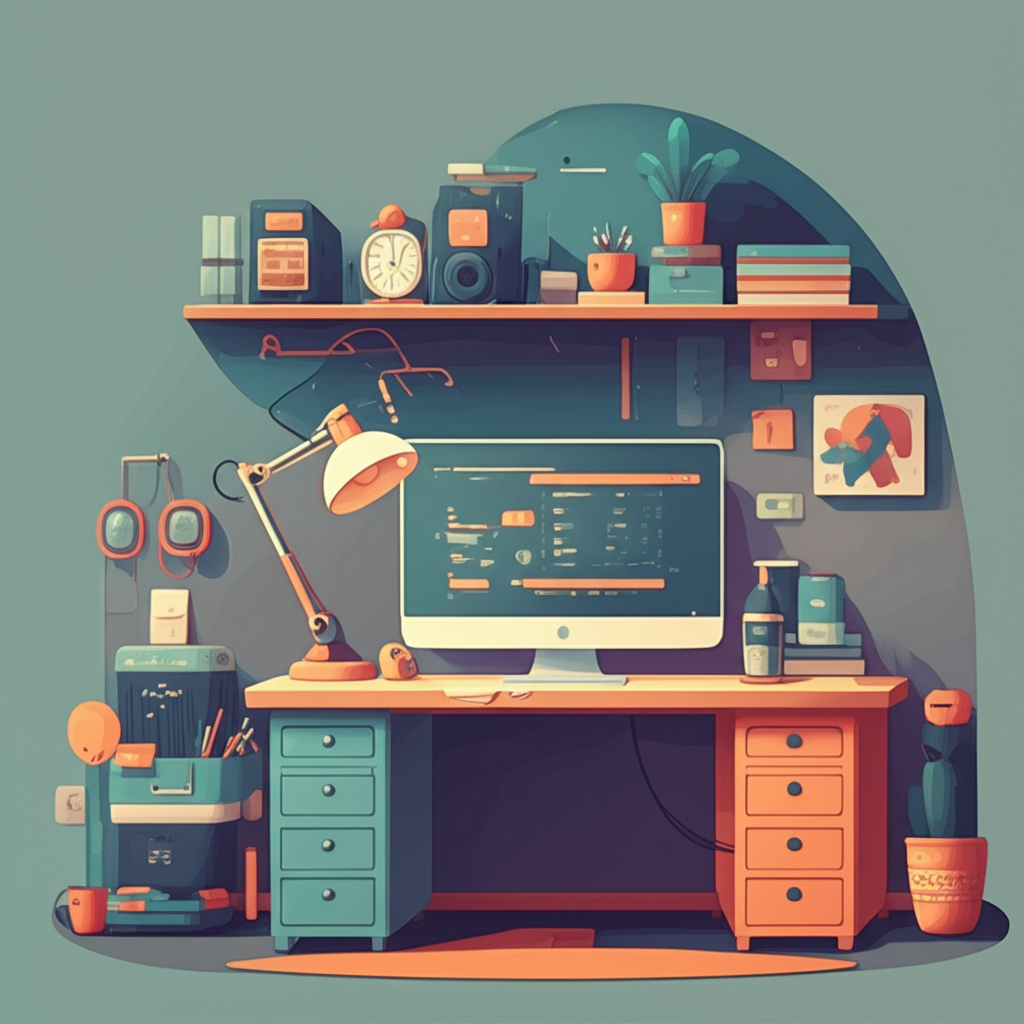
Living in a studio apartment doesn’t mean sacrificing your productivity or professional ambitions. Whether you’re transitioning to remote work, building a side business, or simply need a dedicated space for creative projects, designing an efficient workspace in a compact living area has become an essential skill for modern urban dwellers. The challenge lies not in the lack of space itself, but in maximizing every square foot to create a functional, inspiring environment that seamlessly blends with your living quarters.
The good news? Creating a productive workspace in your studio apartment is entirely achievable with thoughtful planning and smart design choices. From clever furniture arrangements and multifunctional pieces to strategic storage solutions and visual boundaries, there are countless ways to carve out a professional zone without overwhelming your living space. The key is understanding how to balance functionality with comfort, ensuring your workspace enhances rather than clutters your home.
In this comprehensive guide, we’ll walk you through practical strategies for designing a workspace that maximizes efficiency while maintaining the cozy atmosphere of your studio apartment. You’ll discover how to choose the right location, select space-saving furniture, implement effective organization systems, and create psychological boundaries between work and relaxation—all without requiring a complete renovation or breaking the bank. Let’s transform your studio into a dual-purpose haven where both productivity and relaxation thrive.
Assessing Your Studio Layout and Identifying the Best Workspace Location
The first step in creating an efficient workspace is evaluating your studio’s natural layout and flow. Walk through your apartment at different times of day and observe how natural light moves through the space, where foot traffic naturally occurs, and which areas feel most conducive to concentration. Ideally, your workspace should receive adequate natural light without creating glare on your computer screen, while remaining separate from high-traffic zones like the entryway or kitchen pathway.
Consider positioning your workspace near a window to maximize natural light exposure, which studies show can improve focus and reduce eye strain during extended work sessions. However, avoid placing your desk directly facing a window, as this can create distracting visual stimuli and make video calls challenging. Instead, position your desk perpendicular to the window to benefit from side lighting that illuminates your workspace without causing screen glare.
Utilizing Corners and Underutilized Areas
Corners often represent the most underutilized real estate in studio apartments, making them prime candidates for workspace placement. A corner desk maximizes square footage while creating a naturally defined work zone. Similarly, alcoves, the space beside wardrobes, or even a well-organized closet can transform into a compact but functional workspace. The key is identifying areas that don’t interfere with your apartment’s essential functions like sleeping, cooking, or relaxing.
Selecting Space-Saving and Multifunctional Furniture
Furniture selection can make or break your studio workspace design. The right pieces serve multiple purposes while occupying minimal floor space, whereas poor choices can quickly overwhelm your living area. Prioritize furniture that adapts to your changing needs throughout the day, allowing your studio to transition seamlessly from workspace to living space.
Desk Solutions for Compact Spaces
Wall-mounted fold-down desks represent one of the most space-efficient options available, disappearing completely when not in use to reclaim valuable floor space. These desks typically support weights between fifteen to fifty pounds, accommodating a laptop, monitor, and essential accessories. Alternatively, consider a narrow console table that can double as both a workspace and entryway table, or a floating shelf desk that provides a work surface without the visual bulk of traditional desks.
For those requiring more substantial workspace, a compact corner desk or a slim writing desk measuring twenty-four to thirty-six inches deep provides adequate surface area without dominating the room. Avoid oversized executive desks that may offer more storage but consume disproportionate space in a studio setting.
Multi-Purpose Seating and Storage
Your desk chair shouldn’t serve only one function. Select seating that complements your living area aesthetic and can pull double duty for dining or entertaining guests. Alternatively, consider storage ottomans or benches near your workspace that provide both additional seating and concealed storage for office supplies, reducing visual clutter while maximizing functionality.
Implementing Vertical Storage Solutions
When floor space is limited, the solution lies in thinking vertically. Walls offer tremendous untapped potential for storage and organization without sacrificing precious square footage. By moving storage upward, you keep essential items accessible while maintaining an open, uncluttered floor plan that makes your studio feel more spacious.
Install floating shelves above your desk to house books, supplies, and decorative items that personalize your workspace. Pegboards offer flexible, customizable storage that adapts as your needs change, allowing you to hang everything from desk accessories to plants. Wall-mounted file organizers, magnetic strips for small metal items, and hanging pocket organizers maximize vertical real estate while keeping frequently used items within arm’s reach.
Utilizing Behind-the-Door Space
The space behind your door represents valuable storage real estate often overlooked in studio apartments. Over-the-door organizers with multiple pockets can store office supplies, cables, notebooks, and other workspace essentials. Hooks mounted on the door’s interior provide convenient hanging space for bags, headphones, or jackets, preventing these items from cluttering your work surface.
Creating Visual and Psychological Boundaries
One of the greatest challenges when working from a studio apartment is establishing clear mental boundaries between professional and personal life. Without physical walls separating these zones, you must create visual and psychological divisions that signal when you’re in work mode versus relaxation mode.
Using Room Dividers and Screens
Folding screens, curtains, or open shelving units can partition your workspace from your living area without permanently dividing the space. These dividers provide visual separation that helps you mentally transition between work and personal time. Choose dividers that complement your décor while serving functional purposes—a bookshelf room divider provides both separation and storage, while a fabric screen can absorb sound and reduce echo in your studio.
Defining Zones with Lighting and Rugs
Strategic lighting creates distinct zones within your studio apartment. Use task lighting at your desk that differs from ambient lighting in your living area, allowing you to illuminate your workspace during work hours while keeping other areas dimmer. Area rugs similarly define spaces without physical barriers, with a rug under your desk signaling the workspace boundary while another rug anchors your living or sleeping area.
Maintaining Organization and Minimizing Clutter
In a studio apartment, clutter quickly transforms from a minor annoyance to a major problem that affects both your workspace efficiency and living comfort. Implementing robust organization systems from the outset prevents accumulation and ensures your dual-purpose space remains functional and inviting.
Adopt a “one in, one out” policy for your workspace, removing an item whenever you introduce something new. Use desk organizers, drawer dividers, and labeled containers to assign everything a specific home. Cable management solutions like cable clips, sleeves, or boxes prevent tangled wires from creating visual chaos. At the end of each workday, spend five minutes resetting your workspace, filing papers, and clearing your desk surface—this ritual not only maintains organization but also creates a psychological transition from work to personal time.
Incorporating Technology Wisely
Technology should enhance your workspace efficiency without overwhelming your limited space. Wireless devices reduce cable clutter while freeing up desk space, though you’ll need designated charging stations to keep devices powered. Consider a laptop stand to improve ergonomics and create usable space beneath your computer. Monitor arms mount to your desk or wall, providing adjustable positioning while eliminating the monitor base footprint.
Cloud storage and digital filing systems reduce the need for physical storage, allowing you to minimize filing cabinets and document boxes. A quality noise-canceling headphone eliminates the need for sound-absorbing panels while providing better focus in a multi-purpose space.
Personalizing Without Overwhelming
Your workspace should inspire and motivate you, but in a studio apartment, personalization requires restraint. Select a few meaningful items—a plant, inspiring artwork, or a motivational quote—rather than covering every surface with decorations. Choose décor that complements both your workspace and living area aesthetic, ensuring visual harmony throughout your studio. Remember that negative space is equally important as filled space, with breathing room preventing your studio from feeling cramped or overwhelming. By balancing personalization with minimalism, you create a workspace that energizes your productivity while maintaining the comfortable atmosphere essential for your home.
Conclusion: Transform Your Studio into a Productive Haven
Designing an efficient workspace in a studio apartment requires thoughtful planning and strategic decision-making, but the results are well worth the effort. By carefully assessing your studio’s layout and identifying optimal locations that maximize natural light while minimizing interference with daily activities, you establish the foundation for a productive work environment. Remember that corners, alcoves, and other underutilized spaces offer prime opportunities for workspace placement without sacrificing your living comfort.
The key to success lies in selecting multifunctional, space-saving furniture that adapts to your changing needs throughout the day. Wall-mounted desks, compact corner solutions, and versatile seating options allow your studio to transition seamlessly between work and relaxation modes. Complement these choices with vertical storage solutions that capitalize on wall space, keeping your floor plan open and your essentials organized and accessible.
Perhaps most importantly, create clear visual and psychological boundaries between your professional and personal zones using room dividers, strategic lighting, and area rugs. These divisions help maintain work-life balance in a single-room environment. Combine this with robust organization systems, wise technology integration, and thoughtful personalization to craft a workspace that enhances both productivity and quality of life.
Your studio apartment can absolutely accommodate a functional, inspiring workspace without compromising comfort or style. Start by implementing one or two strategies from this guide today—perhaps repositioning your desk to capture better natural light or installing your first floating shelf. As you gradually refine your setup, you’ll discover the perfect balance that makes your compact space work harder for you. Take action now to transform your studio into a dual-purpose environment where both your professional ambitions and personal well-being can flourish.
