
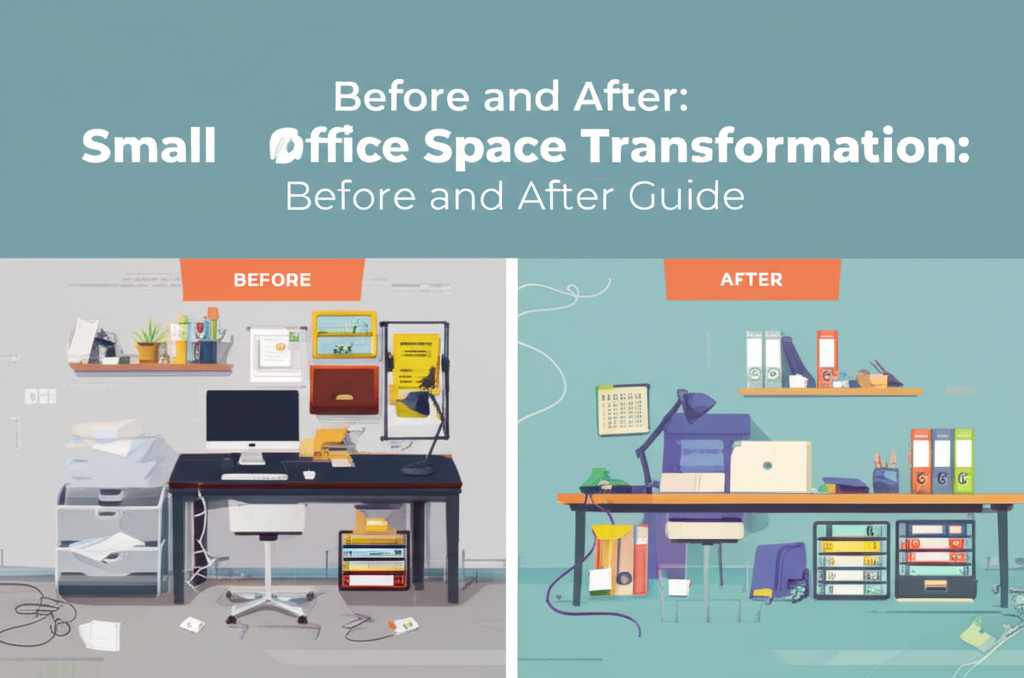
Working in a cramped, disorganized office space can drain your productivity and creativity faster than you might realize. Many small business owners and remote workers find themselves struggling with cluttered desks, poor lighting, and inefficient layouts that make even simple tasks feel overwhelming. The good news? Transforming a small office space doesn’t require a massive budget or knocking down walls—sometimes, all it takes is smart planning, strategic furniture placement, and a fresh perspective on how you utilize every square foot.
A well-executed small office transformation can completely revolutionize your work experience, turning a chaotic corner into a professional, inspiring environment where you actually want to spend time. Whether you’re dealing with a tiny home office, a compact commercial space, or a shared workspace that needs better organization, the principles of effective space transformation remain the same: maximize functionality, enhance aesthetics, and create a setup that supports your specific workflow needs.
In this comprehensive before and after guide, we’ll walk you through real examples of small office space transformations that showcase what’s possible when you combine creativity with practical design solutions. You’ll discover actionable strategies for decluttering, optimizing storage, improving lighting, and selecting furniture that works for smaller footprints. Get ready to see how dramatic changes can happen in even the most challenging spaces, and learn exactly how to apply these transformation techniques to your own office setup.
Assessing Your Current Office Space: The Critical First Step
Before diving into any transformation project, you need to honestly evaluate what’s working and what isn’t in your current setup. Take photographs from multiple angles—these will become your invaluable “before” documentation and help you identify problem areas you might overlook in daily use. Studies show that visual clutter can reduce your ability to focus by up to 50%, making this assessment crucial for understanding the full scope of necessary changes.
Walk through your space and note specific pain points: Are there areas where papers pile up constantly? Do you find yourself searching for supplies multiple times per day? Is there adequate natural light, or do you strain your eyes under harsh fluorescent bulbs? Create a list of functional requirements based on your actual work habits, not just aesthetic preferences. This honest inventory becomes your roadmap for transformation.
Measuring and Mapping Your Available Space
Accurate measurements are non-negotiable for successful small office transformations. Measure the total square footage, ceiling height, window dimensions, and locations of electrical outlets and data ports. Create a simple floor plan using graph paper or free digital tools, marking permanent fixtures and architectural features that will influence your redesign. Remember that in offices under 100 square feet, every inch counts, and careful planning prevents costly furniture purchases that don’t fit.
Decluttering and Purging: Creating Your Clean Slate
The most dramatic transformations begin with aggressive decluttering. Research indicates that the average office worker spends approximately 1.5 hours daily searching for misplaced items or navigating cluttered workspaces. Start by removing everything from your office that doesn’t serve a current, specific purpose. Apply the six-month rule: if you haven’t used something in the past six months and can’t identify a definite need within the next six months, it should be donated, discarded, or archived elsewhere.
Sort remaining items into clear categories: daily essentials, weekly tools, monthly references, and archived materials. This categorization will directly inform your storage solutions in the redesigned space. Be particularly ruthless with paper documents—digitize what you can and shred what you don’t need. A paper-heavy office can consume up to 40% more visual space than necessary, making even generous rooms feel cramped.
Digital Decluttering Matters Too
Don’t forget that digital clutter impacts productivity just as much as physical mess. While transforming your physical space, take time to organize digital files, clear your desktop, and streamline your digital workflow. A clean computer environment complements your refreshed physical workspace and completes the transformation experience.
Maximizing Vertical Space: The Game-Changing Strategy
Small office transformations that ignore vertical space miss approximately 60% of their available storage potential. Floor space is limited, but walls offer incredible opportunities for functional storage that doesn’t impede movement or create visual clutter at eye level. Install floating shelves above desk height to house books, binders, and decorative items that add personality without consuming precious desk surface area.
Consider floor-to-ceiling shelving units in corners or along one wall—these create dramatic visual impact while providing enormous storage capacity. Wall-mounted organizers, pegboards, and magnetic boards keep frequently used items accessible without cluttering horizontal surfaces. The transformation from a floor-focused layout to a vertical-optimized design can increase usable storage by 300% or more in spaces under 80 square feet.
Smart Furniture Choices for Vertical Optimization
Select tall, narrow bookcases instead of wide, short ones. Choose desks with built-in hutches or add wall-mounted shelving directly above your workspace. Murphy desks that fold against the wall when not in use represent the ultimate vertical solution for extremely tight spaces, transforming a hallway or closet into a functional office that disappears when work is complete.
Lighting Transformations: Brightening Your Workspace
Poor lighting ranks among the top complaints in small offices, contributing to eye strain, headaches, and decreased mood. Proper lighting should include three layers: ambient (overall room lighting), task (focused lighting for specific work areas), and accent (lighting that highlights architectural features or decor). Studies demonstrate that workers in well-lit environments report 15-20% higher satisfaction levels and measurably improved focus.
If natural light is limited, position your desk perpendicular to any windows rather than facing them or having them directly behind you—this minimizes glare while maximizing available daylight. Replace outdated fluorescent fixtures with LED panels that offer better color rendering and energy efficiency. Add adjustable desk lamps with daylight-spectrum bulbs that reduce eye fatigue during extended computer work.
Strategic Use of Mirrors and Reflective Surfaces
Mirrors strategically placed opposite windows can effectively double the perceived natural light in your space while making the room feel significantly larger. Glossy paint finishes, metallic accessories, and glass furniture surfaces reflect light throughout the room, contributing to a brighter, more open atmosphere that contrasts dramatically with the typical before state of most small offices.
Color and Visual Design: Creating the Illusion of Space
Color psychology plays a significant role in how spacious and inviting your transformed office feels. Light, neutral walls create an expansive backdrop that makes small rooms feel larger—whites, soft grays, and pale blues remain popular choices for this reason. However, adding strategic pops of color through accessories, artwork, or a single accent wall prevents the space from feeling sterile or institutional.
Maintain a cohesive color palette limited to three main colors throughout your office. This visual consistency creates a sense of order and calm that cluttered, multi-colored spaces can never achieve. The psychological impact of walking into a well-designed, visually coherent workspace versus a chaotic “before” environment cannot be overstated—employees and business owners report feeling more professional and motivated in thoughtfully designed spaces.
Furniture Selection: Functionality Meets Style
The right furniture transforms cramped quarters into efficient workspaces. Prioritize multi-functional pieces: desks with built-in filing drawers, ottomans that provide both seating and hidden storage, and nesting tables that expand when needed but tuck away to save floor space. Avoid oversized executive furniture that overwhelms small rooms—instead, opt for streamlined designs with slim profiles and open bases that allow light to flow underneath, creating visual breathing room.
Measure carefully before purchasing anything. A desk that seems reasonably sized in a showroom can dominate a small office, leaving inadequate circulation space. Ergonomic considerations remain important even in tight quarters—invest in a quality chair that supports proper posture, as this directly impacts your productivity and health regardless of office size.
The Final Transformation: Bringing It All Together
Successful small office transformations happen when all elements work together cohesively. Once you’ve decluttered, optimized vertical space, improved lighting, selected an appropriate color scheme, and chosen functional furniture, the final step involves thoughtful arrangement and personalization. Add plants to improve air quality and introduce natural elements that boost mood. Display a few meaningful items that inspire you without creating visual clutter. Ensure cable management systems hide unsightly cords that can undermine even the most beautiful design.
The difference between your “before” and “after” spaces should be immediately apparent—not just in appearance, but in how the space functions and how you feel working there. A truly transformed small office supports your workflow, reflects your professional identity, and proves that square footage doesn’t determine success. With strategic planning and smart design choices, even the smallest office can become a productivity powerhouse that rivals much larger spaces in both functionality and style.
Conclusion: Your Small Office Transformation Starts Today
Transforming a small office space from cluttered and cramped to functional and inspiring is entirely achievable with the right approach. As we’ve explored throughout this guide, successful transformations follow a methodical process: start with an honest assessment of your current space, eliminate clutter through aggressive decluttering, maximize often-overlooked vertical storage opportunities, optimize lighting to brighten and energize your workspace, apply strategic color choices that create visual spaciousness, and select multi-functional furniture that prioritizes both form and function.
The dramatic before-and-after difference you can achieve doesn’t require a massive budget or professional designers—it simply demands careful planning, strategic thinking, and willingness to make thoughtful changes. Remember that even small offices under 100 square feet can be transformed into productivity powerhouses when you leverage vertical space, improve lighting, and maintain visual cohesion through intentional design choices. The impact extends beyond aesthetics; a well-designed workspace directly influences your focus, mood, productivity, and professional confidence.
Your transformation journey begins with a single step. Take those critical “before” photographs today and start your honest assessment of what’s working and what isn’t in your current setup. Measure your space, create your floor plan, and begin the decluttering process that will give you the clean slate necessary for meaningful change. Don’t let limited square footage convince you that transformation isn’t possible—the principles outlined in this guide prove that strategic design beats sheer size every time.
Ready to create your own dramatic before-and-after transformation? Start implementing these strategies today and share your progress with others embarking on similar journeys. Your ideal workspace is closer than you think, and the productivity gains, improved mood, and professional pride you’ll experience make every effort worthwhile. Begin your transformation now and discover how much potential your small office space truly holds.
