
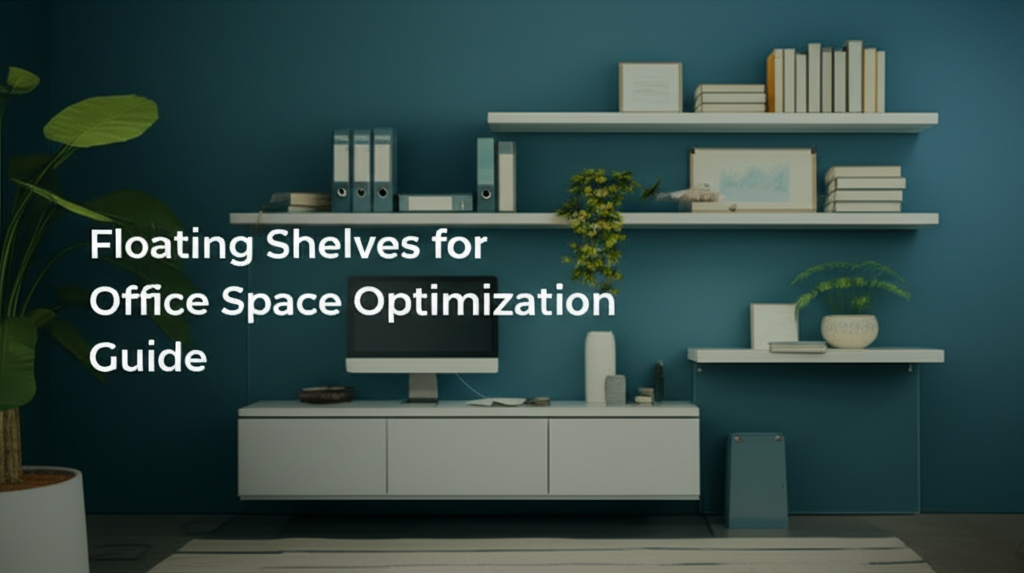
In today’s fast-paced work environment, maximizing every square inch of office space has become more crucial than ever. Whether you’re working with a compact home office or trying to optimize a corporate workspace, the challenge remains the same: how do you create an efficient, organized area without sacrificing style or functionality? Floating shelves have emerged as one of the most versatile and elegant solutions for office space optimization, offering a perfect blend of practicality and modern aesthetics that traditional storage simply cannot match.
Unlike bulky bookcases and filing cabinets that consume valuable floor space, floating shelves create the illusion of more room while providing ample storage for everything from important documents to decorative elements that inspire productivity. These wall-mounted wonders free up precious desk and floor area, allowing for better traffic flow and a more spacious feel—even in the tightest quarters. The beauty of floating shelves lies not just in their space-saving capabilities, but in their remarkable adaptability to any office design, from minimalist contemporary to classic traditional styles.
This comprehensive guide will walk you through everything you need to know about using floating shelves for office space optimization. You’ll discover how to select the right shelves for your specific needs, explore creative placement strategies that maximize both storage and visual appeal, and learn professional installation techniques that ensure safety and durability. Whether you’re looking to declutter your workspace, showcase professional credentials, or simply make your office more functional and inviting, floating shelves offer an accessible and effective solution that delivers immediate results.
Understanding the Benefits of Floating Shelves in Office Environments
Before diving into the practical aspects of implementation, it’s essential to understand why floating shelves have become such a popular choice for office optimization. The advantages extend far beyond simple aesthetics, touching on psychological, functional, and economic factors that make them an intelligent investment for any workspace.
From a spatial perspective, floating shelves offer an unmatched advantage by utilizing vertical space that often goes unused in traditional office setups. Studies in workplace design indicate that offices with optimized vertical storage solutions can reclaim up to 30% more usable floor space compared to those relying solely on freestanding furniture. This additional space translates directly into improved mobility, reduced feelings of confinement, and enhanced workplace satisfaction.
The psychological impact of an organized, visually appealing workspace should not be underestimated. Floating shelves contribute to a sense of openness and order that can significantly boost focus and productivity. By keeping essential items visible yet neatly arranged, these shelves reduce the mental clutter associated with disorganized spaces while maintaining easy access to frequently used materials.
Choosing the Right Floating Shelves for Your Office
Material Considerations
The material you choose for your floating shelves will determine both their durability and their contribution to your office aesthetic. Wood remains the most popular choice, offering warmth and versatility. Solid hardwoods like oak, walnut, or maple provide exceptional strength for heavier loads, while engineered wood options like MDF or plywood offer budget-friendly alternatives with adequate durability for lighter applications.
Metal shelves bring an industrial or contemporary edge to office spaces and excel in durability. Steel and aluminum options can support substantial weight, making them ideal for storing technical equipment, heavy binders, or reference materials. Glass shelves create an ultra-modern, minimalist appearance and work exceptionally well in small offices where maintaining visual lightness is paramount, though they require more careful consideration regarding weight limits.
Size and Dimension Planning
Proper sizing is critical for both functionality and visual balance. Standard floating shelf depths for offices range from 8 to 12 inches, with 10 inches representing the sweet spot for most applications. This depth accommodates standard letter-size documents, books, and decorative items without protruding too far into the workspace. Length should be determined by wall space and intended use, with lengths between 24 and 48 inches proving most versatile for office environments.
Weight capacity deserves careful attention during selection. Quality floating shelves with proper installation can support anywhere from 20 to 100 pounds, depending on construction and mounting hardware. Always verify the manufacturer’s specifications and err on the side of caution, planning to use shelves at approximately 70% of their maximum rated capacity to ensure longevity and safety.
Strategic Placement for Maximum Office Efficiency
Above Desk Configurations
Installing floating shelves above your desk represents one of the most effective optimization strategies. Position shelves 18 to 24 inches above the desk surface to maintain comfortable access while preserving adequate workspace below. This placement keeps frequently used items within arm’s reach while freeing up valuable desk real estate for active work.
Consider implementing a tiered approach with multiple shelves at varying heights. A common configuration includes a lower shelf at 18 inches for daily essentials like reference materials and supplies, with additional shelves spaced 12 to 15 inches apart above for less frequently accessed items. This creates a visual hierarchy that mirrors usage patterns and improves workflow efficiency.
Utilizing Corner and Awkward Spaces
Corner floating shelves transform typically underutilized areas into productive storage zones. These specialized shelves fit seamlessly into corners, creating storage opportunities without interfering with traffic patterns. They work particularly well for displaying credentials, awards, or decorative elements that personalize your workspace without cluttering primary work areas.
Narrow wall sections between windows or doors often go unused but can accommodate slender floating shelves perfect for vertical storage of frequently referenced materials. These opportunistic installations maximize every available inch while maintaining the clean, organized appearance that contributes to a professional atmosphere.
Creating Organized Zones
Designate specific floating shelves for particular functions to establish clear organizational systems. Dedicate one shelf exclusively to active projects, another to reference materials, and a third to supplies. This zoning approach reduces decision fatigue and streamlines your workflow by establishing consistent locations for different item categories.
Installation Best Practices
Locating Wall Studs and Proper Anchoring
Successful floating shelf installation begins with proper wall preparation and mounting. Whenever possible, anchor shelves directly into wall studs, which provide the strongest support for heavier loads. Use a quality stud finder to locate framing members, typically spaced 16 or 24 inches apart in standard construction.
For installations between studs or on walls without adequate framing, heavy-duty wall anchors become essential. Toggle bolts and expansion anchors rated for appropriate weight loads can provide secure mounting in drywall, though weight capacity will be reduced compared to stud mounting. Always use multiple anchoring points distributed across the shelf length for optimal load distribution.
Ensuring Level Installation
A properly leveled shelf is crucial for both aesthetics and functionality. Use a quality carpenter’s level during installation, checking both along the shelf length and across its depth. Even minor deviations from level become visually apparent and can cause items to slide or roll off the shelf over time.
Organizing and Styling Your Floating Shelves
Once installed, the organization and presentation of items on your floating shelves significantly impacts both functionality and visual appeal. Apply the principle of frequency-based placement, positioning items you use daily within the easiest reach zone while relegating occasional-use materials to higher or lower shelves.
Incorporate organizational containers like decorative boxes, baskets, or magazine holders to group related items and maintain a tidy appearance. These containers serve double duty by corralling small items that might otherwise create visual clutter while adding textural interest to your shelf displays.
Balance aesthetics with function by mixing practical storage with carefully selected decorative elements. The ratio of functional to decorative items should favor function in work-focused areas, typically maintaining roughly 70% practical items to 30% decorative pieces. This balance preserves the professional character of your office while adding personality and visual interest.
Maintenance and Long-Term Care
Regular maintenance ensures your floating shelves remain both attractive and functional over time. Dust shelves weekly to prevent buildup that can dull finishes and create an unkempt appearance. Periodically inspect mounting hardware for any signs of loosening, particularly on shelves bearing heavier loads, and tighten as needed.
Avoid overloading shelves beyond their rated capacity, as this can stress mounting hardware and potentially damage walls. Distribute weight evenly across shelf surfaces rather than concentrating heavy items in one area, which can cause sagging or hardware failure over time.
By implementing these strategies and maintaining your floating shelves properly, you’ll create an optimized office space that enhances productivity, reduces clutter, and provides a professional environment conducive to your best work. The investment in quality shelves and thoughtful installation pays dividends through improved organization, increased usable space, and a more enjoyable workspace that supports your professional success.
Conclusion: Transform Your Office with Strategic Floating Shelf Implementation
Optimizing your office space with floating shelves represents a powerful combination of form and function that can fundamentally transform how you work. Throughout this guide, we’ve explored the multifaceted benefits these versatile storage solutions bring to professional environments—from reclaiming up to 30% more usable floor space to creating the psychological sense of openness and order that enhances focus and productivity.
The key to successful implementation lies in thoughtful planning across several critical dimensions. Selecting the right materials—whether warm wood, durable metal, or sleek glass—ensures your shelves align with both your aesthetic preferences and practical weight requirements. Proper sizing and dimension planning, particularly that optimal 10-inch depth for office applications, guarantees your shelves accommodate essential items without overwhelming your workspace.
Strategic placement transforms good shelves into great organizational systems. By positioning shelves 18 to 24 inches above desk surfaces, utilizing overlooked corner spaces, and creating dedicated zones for different item categories, you establish an intuitive system that supports efficient workflows and reduces decision fatigue. The tiered approach to shelf arrangement creates visual hierarchies that naturally guide your daily routines.
Installation quality cannot be overlooked—proper anchoring into wall studs, using appropriate hardware for your wall type, and ensuring perfectly level mounting form the foundation for safe, long-lasting installations. These technical considerations may seem minor, but they determine whether your shelves remain functional and secure for years to come.
Finally, the ongoing organization and maintenance of your floating shelves sustains their value over time. By applying frequency-based placement principles, incorporating organizational containers, maintaining the 70-30 balance between functional and decorative elements, and performing regular maintenance, you ensure your investment continues delivering returns in productivity, organization, and workplace satisfaction.
The beauty of floating shelves lies in their adaptability—they work equally well in expansive corner offices, compact home workspaces, and everything in between. They accommodate evolving needs, allow for easy reorganization, and provide the flexibility to adjust your setup as your work requirements change.
Ready to Optimize Your Workspace?
Now that you understand the principles of effective floating shelf implementation, it’s time to take action. Start by assessing your current office layout and identifying underutilized vertical spaces. Measure your available wall areas, determine your storage needs, and select shelves that match your requirements for capacity, material, and style.
Don’t let another day pass working in a cluttered, inefficient environment. Begin your office transformation today by implementing even a single well-placed floating shelf—you’ll immediately experience the benefits of improved organization and increased workspace. As you expand your system, you’ll discover how these simple yet powerful solutions can revolutionize your productivity and create the professional, organized environment where you do your best work.
Transform your office space, reclaim your productivity, and enjoy the satisfaction of a beautifully organized workspace that reflects your professional excellence. Your optimized office awaits—start building it today with strategic floating shelf solutions that work as hard as you do.
