
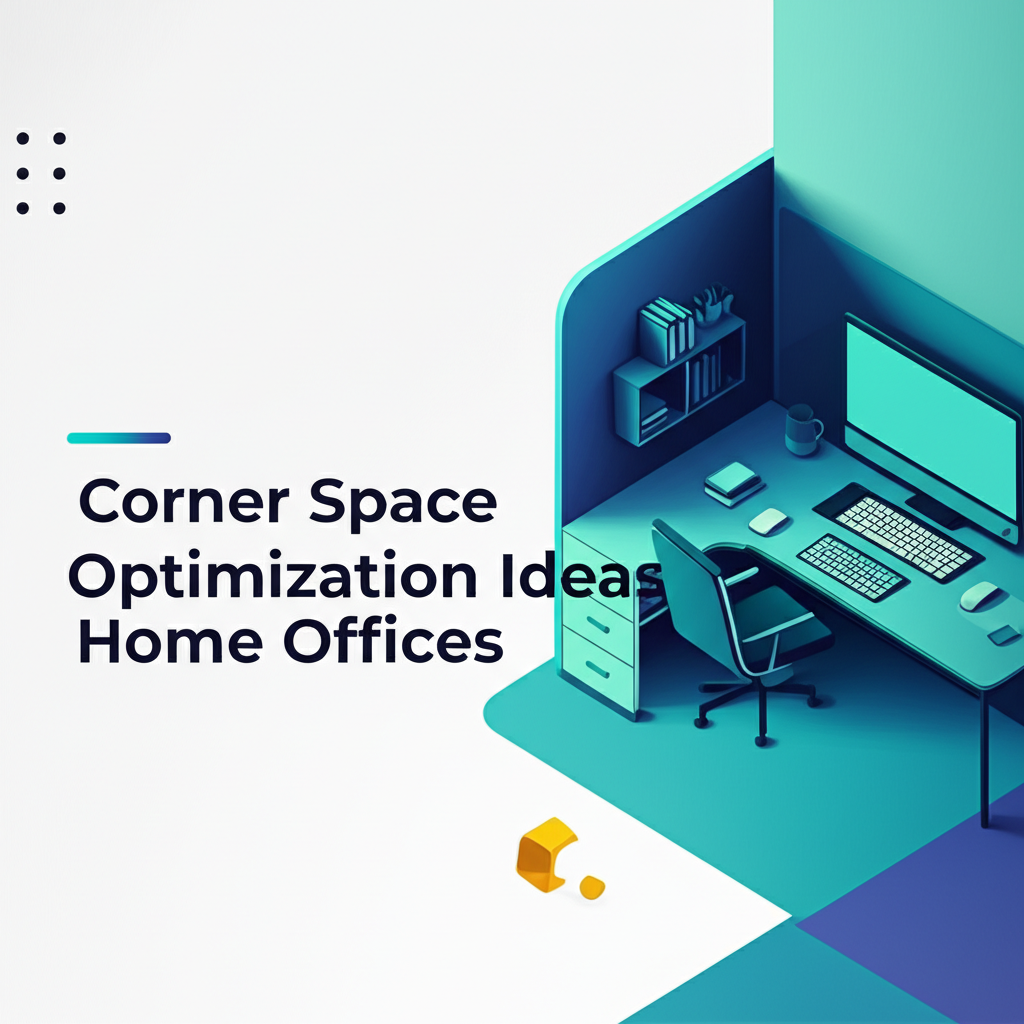
# Corner Space Optimization Ideas for Home Offices
Home offices have become an essential part of modern living, yet many of us struggle with a common challenge: making the most of every square foot available. Those awkward corner spaces that often go unused or become cluttered dumping grounds actually hold tremendous potential for creating functional, productive workspaces. Whether you’re working with a spare bedroom, a nook in your living room, or a dedicated office area, corner optimization can transform wasted space into your most valuable productivity asset.
The beauty of corner spaces lies in their versatility and untapped potential. Unlike traditional wall-based setups, corners offer unique opportunities for creative furniture arrangements, multi-level storage solutions, and ergonomic workstation designs that can actually improve your workflow. From L-shaped desks that maximize surface area to vertical shelving systems that draw the eye upward, the right corner configuration can help you reclaim up to 30% more usable workspace without expanding your office footprint.
In this comprehensive guide, we’ll explore innovative ideas and practical strategies for transforming those neglected corners into highly functional work zones. You’ll discover smart furniture choices, clever storage hacks, lighting solutions, and design principles that will help you create a corner office setup that’s not only space-efficient but also inspiring and comfortable. Whether you’re a remote worker, freelancer, or entrepreneur, these corner optimization techniques will help you build the perfect home office regardless of your space constraints.
## Understanding Corner Space Dynamics in Home Offices
Before diving into specific solutions, it’s crucial to understand why corners present such unique opportunities. Corner spaces create natural work zones that feel enclosed and focused without requiring walls or dividers. This psychological benefit helps establish clear boundaries between work and personal life, even in shared spaces. Additionally, corners utilize two walls simultaneously, effectively doubling your mounting and shelving options compared to single-wall arrangements.
Research in workspace design indicates that corner workstations can reduce distractions by limiting peripheral visual interference. When positioned correctly, a corner desk naturally directs your attention forward and inward, creating what designers call a “productivity pocket.” This configuration also tends to place walls within arm’s reach on both sides, making it easier to install organizational systems and keep frequently used items accessible without cluttering your desktop.
## L-Shaped and Corner Desk Configurations
Choosing the Right Corner Desk Design
The cornerstone of any corner office optimization strategy is selecting the appropriate desk configuration. L-shaped desks remain the most popular choice because they provide maximum surface area while fitting snugly into corner spaces. These desks typically offer between 50 to 70 square feet of workspace, compared to just 20 to 30 square feet for standard rectangular desks.
When selecting an L-shaped desk, consider whether you need symmetrical or asymmetrical proportions. Symmetrical designs work well for users who need equal space for computer work and paperwork, while asymmetrical configurations with one longer side suit those who prioritize digital work but still need some auxiliary surface area. Another option gaining popularity is the curved corner desk, which softens angles and can make small spaces feel less cramped.
DIY Corner Desk Solutions
For those working with tight budgets or unusual corner dimensions, custom-built solutions offer flexibility that pre-made furniture cannot match. Floating corner desks mounted directly to walls eliminate bulky legs and create an airy, modern aesthetic while maximizing floor space underneath for storage or movement. A simple design using two wall-mounted brackets and a triangular or L-shaped countertop can cost significantly less than commercial alternatives while being perfectly sized to your space.
Another DIY approach involves repurposing filing cabinets or small storage units as desk supports. Position two cabinets in an L-configuration in your corner, then lay a desktop surface across them. This method provides both workspace and built-in storage while allowing you to adjust the desk height and dimensions to your exact specifications.
## Vertical Storage Systems for Corner Spaces
Wall-Mounted Shelving Solutions
One of the biggest advantages of corner workspaces is the opportunity to build upward. Vertical storage can increase your storage capacity by up to 300% without consuming additional floor space. Corner shelving units, whether floating shelves or traditional bookcase-style units, transform unused wall space into valuable storage real estate.
Consider installing floor-to-ceiling corner shelving that wraps around both walls. This approach creates a cocoon-like workspace while providing ample storage for books, supplies, and decorative items. Adjustable shelving systems offer the most versatility, allowing you to reconfigure shelf heights as your storage needs evolve. For a cleaner look, closed cabinets on lower levels can hide clutter while open shelves above display books and plants.
Corner-Specific Storage Furniture
Specialized corner storage units like rotating carousel organizers and triangular shelving units are designed specifically to address the unique geometry of corner spaces. Lazy Susan-style corner cabinets eliminate the “dead space” problem common in corner installations, making every inch accessible with a simple spin. These rotating systems work particularly well for office supplies, reference materials, and equipment you need frequently but don’t want cluttering your desktop.
Tower storage units designed for corners can house everything from printers and scanners to filing systems and personal items. Look for units with a mixture of drawers, cabinets, and open shelves to accommodate different types of materials and keep your workspace organized without appearing cluttered.
## Lighting Strategies for Corner Offices
Corner spaces often suffer from inadequate natural light, making strategic artificial lighting essential. Layer your lighting with three distinct types: ambient, task, and accent lighting. Overhead lighting provides general illumination, while desk lamps deliver focused light exactly where you need it for detailed work. Accent lighting, such as LED strips behind monitors or under shelves, adds depth and reduces eye strain.
For corners with windows, position your desk perpendicular to the window rather than facing it directly. This arrangement provides natural light without creating screen glare or uncomfortable brightness contrasts. If your corner lacks windows, consider full-spectrum lighting that mimics natural daylight, which research shows can improve focus and reduce fatigue during long work sessions.
## Ergonomic Considerations for Corner Workstations
While maximizing space is important, comfort and health should never be compromised. Corner workstations require careful attention to ergonomics because the angled setup can encourage poor posture if not properly configured. Ensure your monitor is at eye level and at least arm’s length away, even if this means investing in a monitor arm that can be adjusted precisely.
The L-shaped configuration of corner desks tempts many people to twist their bodies rather than their chairs when switching between tasks. Combat this by using a chair with smooth-rolling casters and a swivel base that makes repositioning effortless. Keep your most-used items in your primary work zone to minimize repetitive reaching and twisting that can lead to strain over time.
## Multi-Functional Corner Solutions
Convertible and Flexible Designs
For homes where space serves multiple purposes, convertible corner solutions offer remarkable versatility. Murphy desks that fold up into the wall can transform a corner office into a guest room or playroom within seconds. These systems often include integrated storage that remains accessible even when the desk is folded away, maintaining functionality without permanent space commitment.
Another flexible option is modular furniture that can be reconfigured as needs change. Cube storage systems, for example, can be arranged in corner formations when you need a full office setup, then reorganized along a single wall when you need the corner for other purposes.
Incorporating Technology Seamlessly
Modern corner offices must accommodate numerous devices and their associated cables. Integrated cable management systems keep technology organized and accessible without creating visual chaos. Look for desks with built-in grommets, channels, or trays that route cables along the back edges and down legs to power sources.
Consider installing power strips and USB charging stations directly mounted to your desk or wall rather than cluttering floor space with extension cords. Some corner desk designs include pop-up power modules that sit flush with the desktop when not in use, providing convenient access to outlets without permanent visual clutter.
## Conclusion
Transforming corner spaces into optimized home offices requires thoughtful planning, but the results are well worth the effort. By implementing L-shaped desk configurations, vertical storage solutions, strategic lighting, and ergonomic principles, you can create a workspace that maximizes every square inch while supporting productivity and comfort. The key is viewing your corner not as leftover space but as a premium location with unique advantages that traditional office setups cannot offer.
## Conclusion
Optimizing corner spaces for home offices is about transforming underutilized areas into highly functional, productive work environments. Throughout this guide, we’ve explored how corner workstations create natural productivity pockets that minimize distractions while maximizing available space through dual-wall access. By selecting the right L-shaped or curved desk configuration—whether purchased or custom-built—you can dramatically increase your workspace surface area compared to traditional desk arrangements.
We’ve seen how vertical storage solutions can triple your storage capacity without sacrificing floor space, and how specialized corner furniture like rotating organizers and tower units eliminate dead space while keeping essential items within easy reach. Strategic lighting layers combat the common challenge of dim corners, while proper ergonomic setup ensures your optimized workspace supports long-term health and comfort rather than compromising it.
For those needing flexibility, convertible and modular solutions allow your corner office to adapt to changing needs, and integrated cable management systems keep modern technology organized without visual clutter. The beauty of corner optimization lies in its versatility—these principles work equally well in spacious dedicated offices and compact multipurpose rooms.
Now it’s time to assess your own corner space and implement these strategies. Start by measuring your available corner area and identifying which solutions align with your work style, budget, and spatial constraints. Whether you begin with a simple floating desk installation or commit to a complete corner office transformation, each improvement brings you closer to a workspace that truly works for you. Don’t let that corner continue gathering dust—turn it into the productive, organized, and comfortable home office you deserve. Take the first step today by choosing one optimization strategy from this guide and putting it into action.
